• Home Systems & Design Low Power - High Performance Manufacturing, Packaging & Materials Test, Measurement & Analytics Auto, Security & Enabling Technologies Special Reports Business & Startups Jobs Knowledge Center Technical PapersHome’;AI/ML/DLArchitecturesAutomotive/ AerospaceCommunication/Data MovementDesign & VerificationLithographyManufacturingMaterialsMemoryOptoelectronics / PhotonicsPackagingPower & PerformanceQuantumSecurityTest, Measurement, Analytics tech papersTransistorsZ-End Applications Home AI/ML/DL Architectures Automotive/ Aerospace Communication/Data Movement Design & Verification Lithography Manufacturing Materials Memory Optoelectronics / Photonics Packaging Power & Performance Quantum Security Test, Measurement, Analytics tech papers Transistors Z-End Applications Events & WebinarsEventsWebinars Events Webinars Videos & ResearchVideosIndustry Research Videos Industry Research Newsletters & StoreNewslettersStore Newsletters Store MENUHomeSpecial ReportsSystems & DesignLow Power-High PerformanceManufacturing, Packaging & MaterialsTest, Measurement & AnalyticsAuto, Security & Enabling TechnologiesKnowledge CenterVideosStartup CornerBusiness & StartupsJobsTechnical PapersEventsWebinarsIndustry ResearchNewslettersStoreSpecial Reports Home Special Reports Systems & Design Low Power-High Performance Manufacturing, Packaging & Materials Test, Measurement & Analytics Auto, Security & Enabling Technologies Knowledge Center Videos Startup Corner Business & Startups Jobs Technical Papers Events Webinars Industry Research Newsletters Store Special Reports New Performance Requirements For Audio Audio interactions with machines drive increasing demand for better sound quality. • Demand for higher performance in audio is rising as human-machine interactions increase on the edge. • That means more processing elements, and more challenges in keeping data consistent across those processors. • Prakash Madhvapathy, director of product marketing and product management at C
Article Summaries:
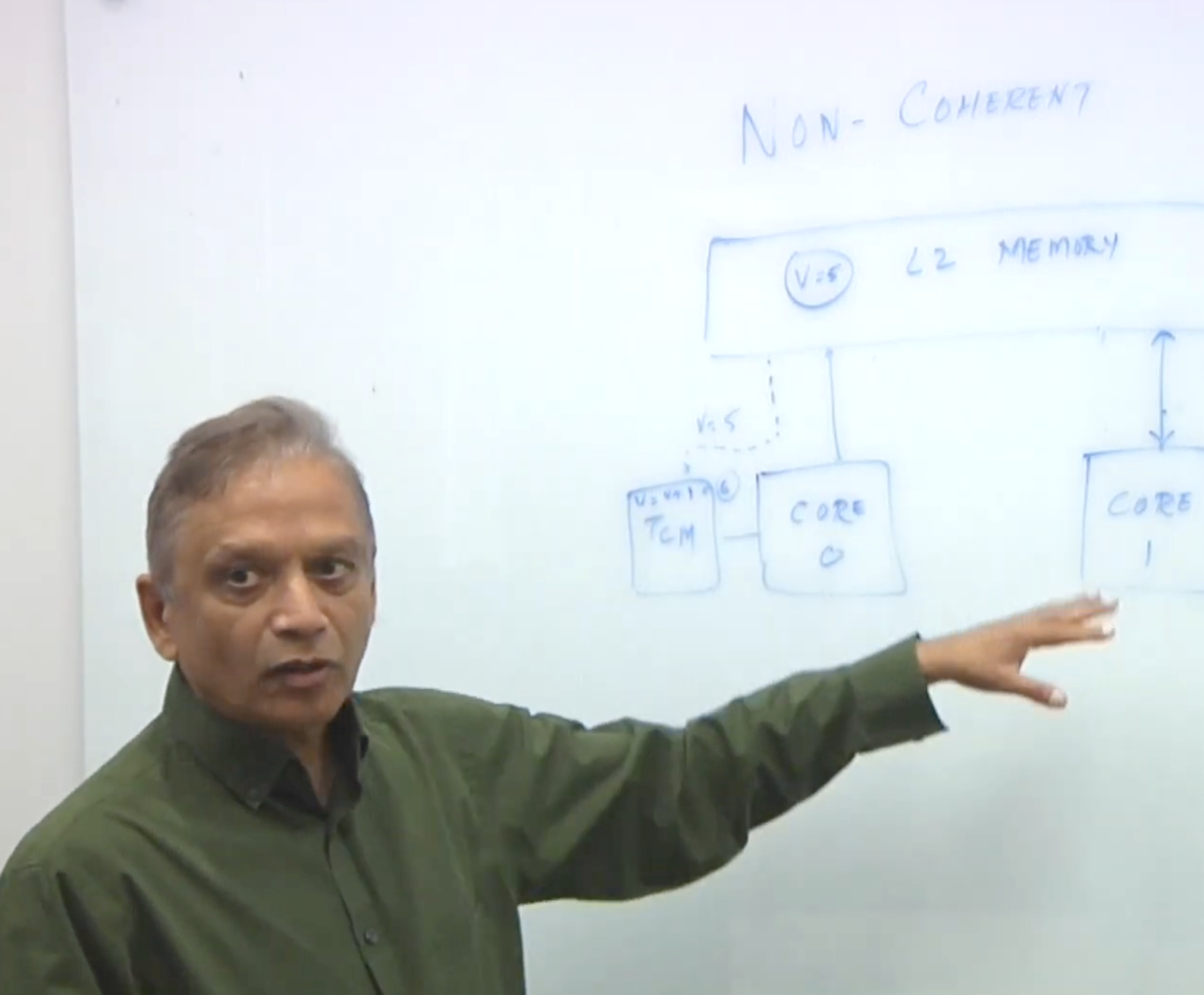
- Audio‑driven human‑machine interactions are pushing the need for higher sound quality, especially at the edge. With more processing elements in devices, manufacturers face challenges keeping data consistent across processors. Cadence’s product‑marketing director, Prakash Madhvapathy, highlighted how coherent design architectures help maintain data integrity and enhance security. He also noted that digital signal processors (DSPs) are evolving to meet consumer demands for clearer audio while managing power and latency constraints. The shift toward coherent, secure DSP designs is expected to become a key factor in next‑generation audio products.
- Audio‑driven human‑machine interactions are pushing the need for higher‑quality sound, especially at the edge where multiple processors must work together. Cadence’s Prakash Madhvapathy notes that this trend creates new performance demands and data‑consistency challenges across processors. He highlights coherent design architectures as a key solution, improving both efficiency and security. Additionally, digital signal processors (DSPs) are evolving to meet consumer expectations for clearer audio, balancing power, speed, and secure data handling in increasingly complex edge environments.
Sources:
- https://semiengineering.com/new-performance-requirements-for-audio/ (Latest source article published: 2026-02-23 08:01 UTC)