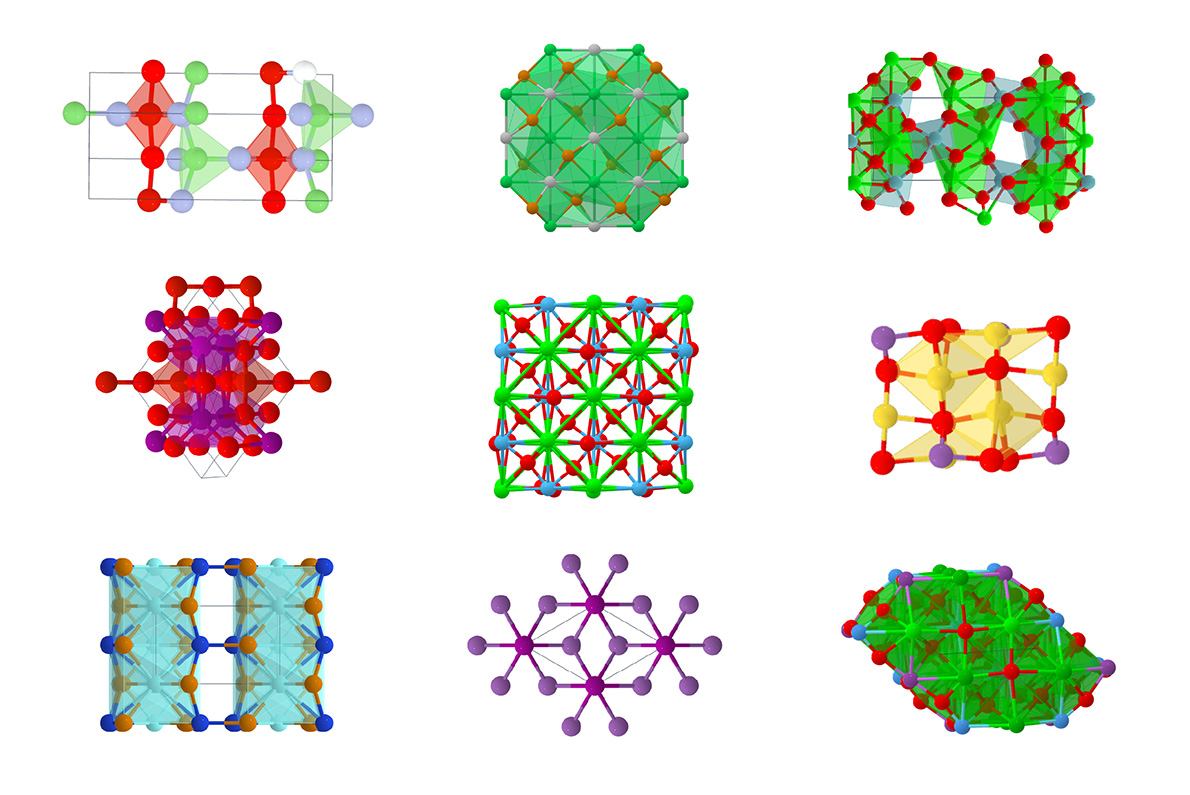
• Key Takeaways - The Materials Project is the most-cited resource for materials data and analysis tools in materials science. • - The Materials Project and its tools have been cited more than 32,000 times in peer-reviewed studies, enabling advances in batteries, quantum computing, microelectronics, catalysts for industrial manufacturing, and more. • - The Materials Project is used 5,000 times per day by more than 650,000 registered users. • In 2011, a small team at the Department of Energy’s Lawrence Berkeley National Laboratory (Berkeley Lab) launched what would become the world’s most-cited materials database. • Today, the Materials Project serves over 650,000 users and has been cited more than 32,000 times - but its real impact may just be emerging. • When renowned computational materials scientist Kristin Persson and her team first created the Materials Project, they envisioned an automated screening tool that could help researchers in industry and academia design new materials for batteries and other energy technologies at an accelerated pace.
Article Summaries:
- The Materials Project, launched in 2011 at Lawrence Berkeley National Laboratory, has become the world’s most‑cited materials database, with over 32,000 peer‑reviewed citations and 650,000 registered users. Its free, user‑friendly platform supplies more than 200,000 computed materials and 577,000 molecules, delivering 465 TB of data in the past two years. The open‑source framework, powered by NERSC supercomputers, enables rapid, no‑coding access to curated, machine‑learning‑ready datasets. This infrastructure has accelerated research in batteries, quantum computing, microelectronics, and industrial catalysts, positioning the project at the forefront of the AI‑driven materials‑science revolution.
Sources: