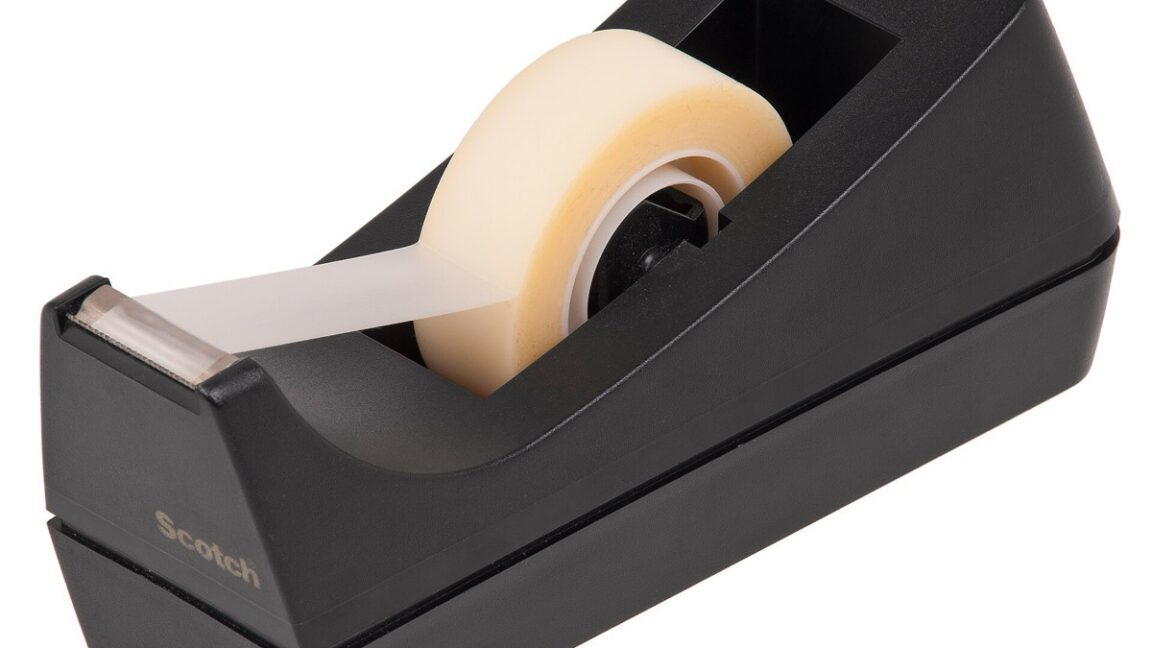
• Scotch tape has been a household mainstay for nearly a century, but it still holds some scientific surprises. • Researchers have discovered that the screeching sound emitted when one rapidly peelsScotch tape-akin to the screech of fingernails on a chalkboard-is the result of shock waves produced by micro-cracks propagating along the tape at supersonic speeds, according to anew paperpublished in the journal Physical Review E. • It was a 3M engineer namedRichard Drewwho developed the first transparent sticky tape in 1930. • The impetus came from car manufacturing, specifically two-color designs, where the adhesives used were so sticky they often removed the paint when peeled off; the paint then needed to be manually touched up. • Drew found a sandpaper adhesive with just the right amount of stickiness and used it to coat a roll of cellophane tape. • (Fun fact: Drew also co-invented the snail-style dispenser for the tape with his 3M colleague, John Borden.) The tape was hugely popular during the Great Depression; consumers used it to repair everyday items rather than replace them.
Article Summaries:
- Scientists have identified the source of the familiar “screech” that occurs when Scotch tape is peeled quickly. A study published in Physical Review E shows that micro‑cracks in the tape propagate at supersonic speeds, generating shock waves that produce the high‑frequency noise. The research clarifies a long‑standing curiosity about the tape’s acoustic behavior. While the paper focuses on the physics of the sound, it also notes Scotch tape’s historical significance-from its 1930 invention by 3M engineer Richard Drew to its enduring popularity as a household repair material.
- Scotch tape has been a household mainstay for nearly a century, but it still holds some scientific surprises. Researchers have discovered that the screeching sound emitted when one rapidly peels Scotch tape-akin to the screech of fingernails on a chalkboard-is the result of shock waves produced by micro-cracks propagating along the tape at supersonic speeds, according to a new paper published in the journal Physical Review E. It was a 3M engineer named Richard Drew who developed the first transparent sticky tape in 1930. The impetus came from car manufacturing, specifically two-color designs,
Sources:
- https://arstechnica.com/science/2026/02/heres-why-scotch-tape-screeches-when-its-peeled/ (Latest source article published: 2026-02-24 14:00 UTC)