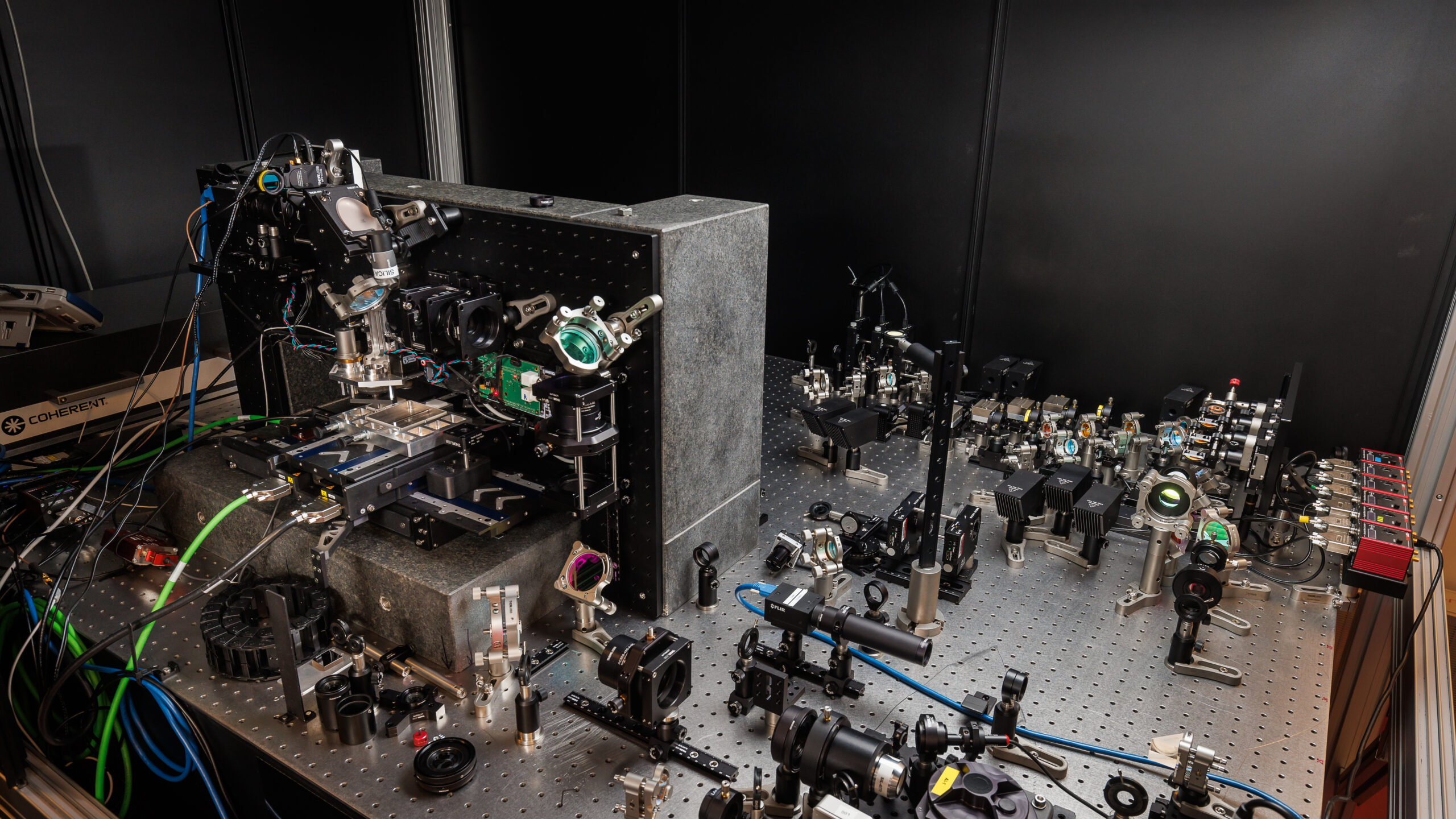
• Archival storage poses lots of challenges. • We want media that is extremely dense and stable for centuries or more, and, ideally, doesn’t consume any energy when not being accessed. • Lots of ideas have floated around-even DNA has been considered-but one of the simplest is to cut the data into glass. • Many forms of glass are very physically and chemically stable, and it’s relatively easy to create features in it. • There’s been a lot of preliminary work demonstrating different aspects of a glass-based storage system. • But in Wednesday’s issue of Nature, Microsoft Research announced Project Silica, a working demonstration of a system that can read and write data into small slabs of glass with a density of over a Gigabit per cubic millimeter.
Article Summaries:
- Microsoft Research has unveiled Project Silica, a prototype for long‑term data storage that writes information into small glass slabs using femtosecond lasers. The system can achieve densities exceeding one gigabit per cubic millimetre, and the glass chosen is chemically and thermally stable, resistant to moisture, temperature swings, and electromagnetic interference. Unlike fragile glass, the material can be handled carefully to preserve data integrity. The technology promises a passive, energy‑free archival medium that could reliably hold data for thousands of years, offering a practical alternative to other high‑density storage concepts.
- Microsoft Research has unveiled Project Silica, a prototype for long‑term data storage that writes information into small glass slabs using femtosecond lasers. The system can embed more than one gigabit per cubic millimeter of data, a density that rivals or exceeds current magnetic and optical media. Glass, chosen for its thermal and chemical stability, resists moisture, temperature swings, and electromagnetic interference, making it a candidate for archival use that requires little or no power when idle. While the writing process remains relatively slow, the technology demonstrates that durable, high‑capacity storage on glass is feasible, potentially extending data preservation to tens of thousands of years.
- Microsoft’s Project Silica has achieved a key breakthrough by moving from expensive fused silica to inexpensive borosilicate glass, the same material used in cookware. The new encoding method-“phase voxels”-allows data to be written with a single femtosecond laser pulse, improving speed and simplifying hardware. A 120‑mm square glass slide can now hold just over 2 TB of data, with a write speed of 18.4 Mbit/s. Accelerated‑ageing tests show the glass retains data for more than 10,000 years at room temperature. The technology promises durable, low‑cost storage for medical, industrial, scientific, and media archives.
Sources: