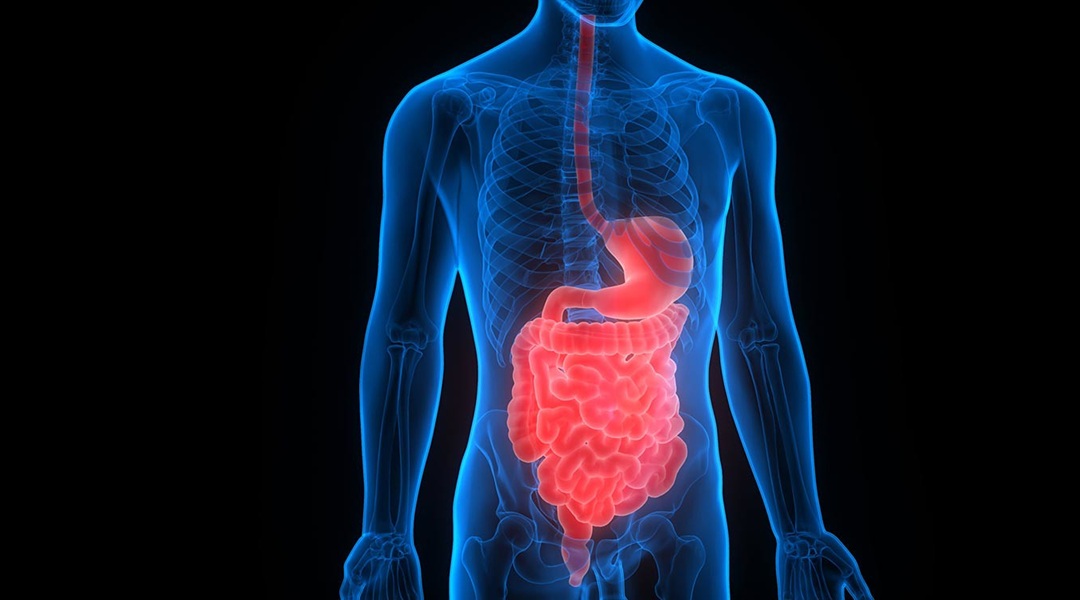
• An “Eastern meets Western medicine” study reveals that tiny vesicles from the honeysuckle plant reduce colon inflammation and restore the balance between “good and bad” gut bacteria to protect the intestinal barrier in pre-clinical studies of Inflammatory Bowel Disease. • “The big-picture implication is the potential for a new class of natural, effective, and safe oral therapies for Inflammatory Bowel Disease. • If this research continues to be successful, it could one day offer patients a treatment that manages their disease by restoring their body’s natural equilibrium, rather than just suppressing symptoms,” explains Xiaozhou Mou, professor at Hangzhou Medical College, China, and author of this research. • Inflammatory Bowel Disease, marked by excessive intestinal inflammation, affects a patient’s quality of life and puts them at greater risk of colorectal cancer. • This condition includes Chrohn’s disease and ulcerative colitis, where patients experience abdominal pain, diarrhoea and weight loss. • A shift in the gut microbiome In 2019, approximately 5 million people suffered from Inflammatory Bowel Disease.
Article Summaries:
- Researchers in China have shown that nanovesicles extracted from the honeysuckle plant can reduce colon inflammation and restore balance between beneficial and harmful gut bacteria in pre‑clinical models of inflammatory bowel disease (IBD). The study suggests these plant‑derived vesicles, which carry RNAs, lipids and metabolites, may protect the intestinal barrier and offer a new class of oral, natural therapies that aim to re‑establish the body’s equilibrium rather than merely suppress symptoms. Current IBD treatments often leave patients vulnerable to infections and do not fully relieve symptoms, underscoring the potential clinical relevance of this approach.
Sources: