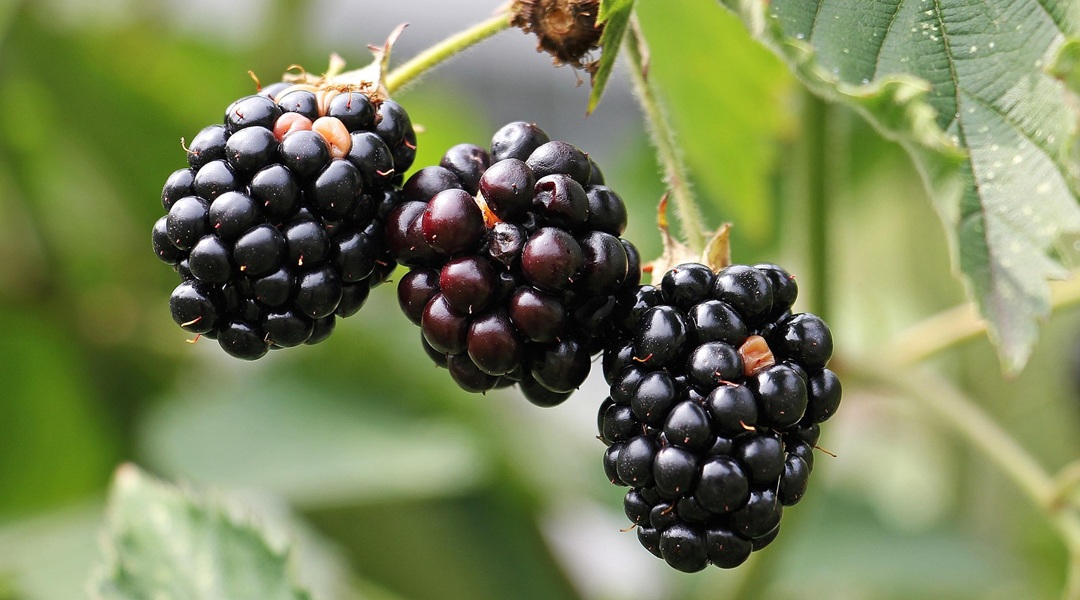
• Animals and birds that eat fruits help spread plant seeds and shape ecosystems. • Historically, researchers have argued that this mutualism has led fruits to evolve traits tailored to their consumers. • The dispersal syndrome hypothesis suggests that fruit colour, size and texture align with the sensory abilities and feeding behaviours of different animals: mammals with poorer colour vision gravitate toward larger, tougher, low-contrast fruits, while colour-sensitive birds target smaller, fleshy fruits in striking reds, purples and blacks. • But few studies have actually counted how often animals interact with the fruits presumed to be made for them, and the patterns that do exist often stray from this theory. • Overall, interactions between fruit-eating animals and plants don’t always support the fruit colour syndrome, suggesting real-world dynamics may be more complex. • Messeder, a researcher at The Pennsylvania State University in the United States of America, and colleagues have now analysed the validity of the fruit colour syndrome using observational data from previous studies of fruit-eating birds, and conducted field experiments using artificial fruits.
Article Summaries:
- Researchers at Pennsylvania State University tested the “fruit‑colour syndrome,” which predicts that birds preferentially eat brightly coloured fruits (red, purple, black) while mammals favor dull, large fruits. Using observational data from five ecosystems and field experiments with artificial fruits, the team found only a weak association between bird choice and fruit colour. Birds consumed fruits of many colours, and in experiments were attracted to novel blue fruits even when natural colours were abundant. The results suggest that exploration, learning and nutritional needs outweigh visual cues, challenging the idea that fruit colour alone drives avian seed dispersal.
Sources: