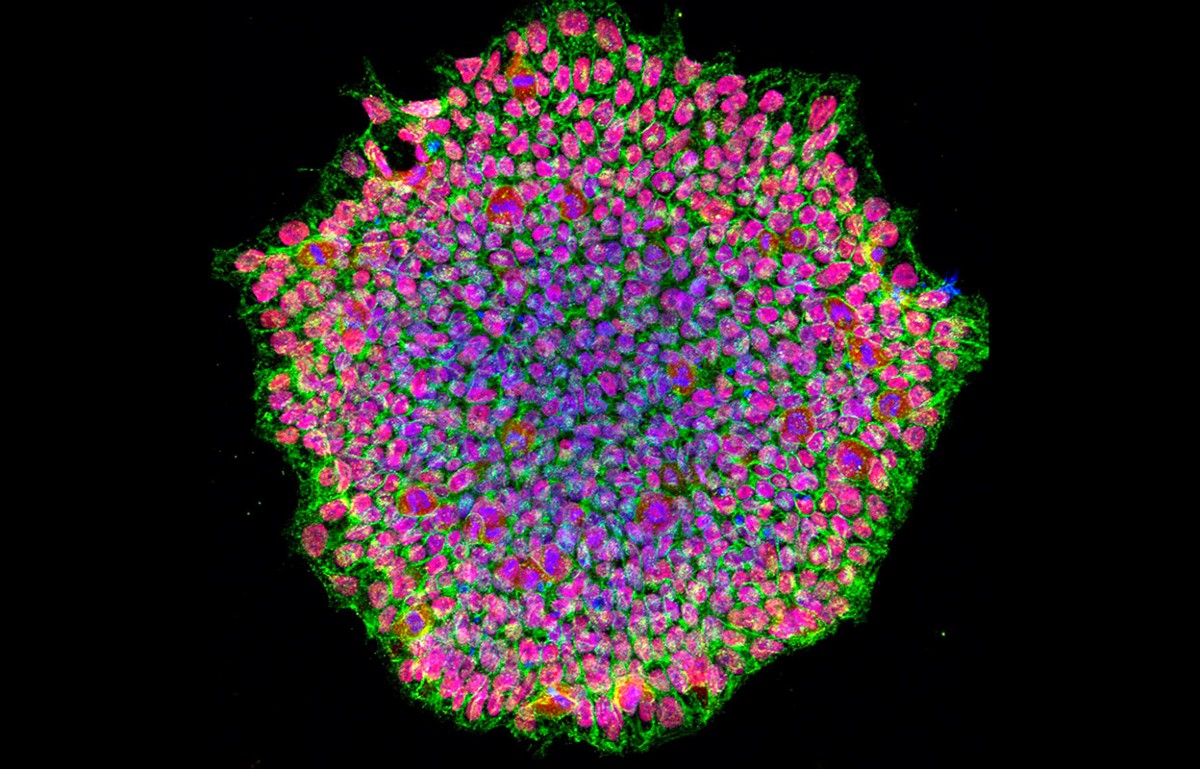
• Japan’s health ministry grants conditional approval to two pioneering stem‑cell therapies, Amchepry and ReHeart. • Amchepry targets Parkinson’s disease using iPSC‑derived progenitor cells from patient blood. • ReHeart treats severe heart failure with reprogrammed stem cells, tested in eight volunteers. • Only 7 and 8 participants so far; larger trials needed for safety and efficacy. • Experts warn this is a risky regulatory experiment, cautioning premature commercialization. • The move follows Yamanaka’s 2006 iPSC breakthrough, boosting Japan’s regenerative‑medicine ambitions.
Article Summaries:
- Japan’s health ministry has granted conditional approval for two pioneering stem‑cell therapies, Amchepry for Parkinson’s disease and ReHeart for severe heart failure. Both products are derived from reprogrammed induced pluripotent stem cells and have only undergone small phase I/II trials involving seven and eight patients, respectively. While early reports show no serious adverse events and some symptomatic improvement, experts caution that the data are limited, lacking control groups and larger sample sizes. The approvals are seen as a regulatory experiment, with calls for more extensive trials to confirm safety and efficacy before broader commercialization.
Sources: