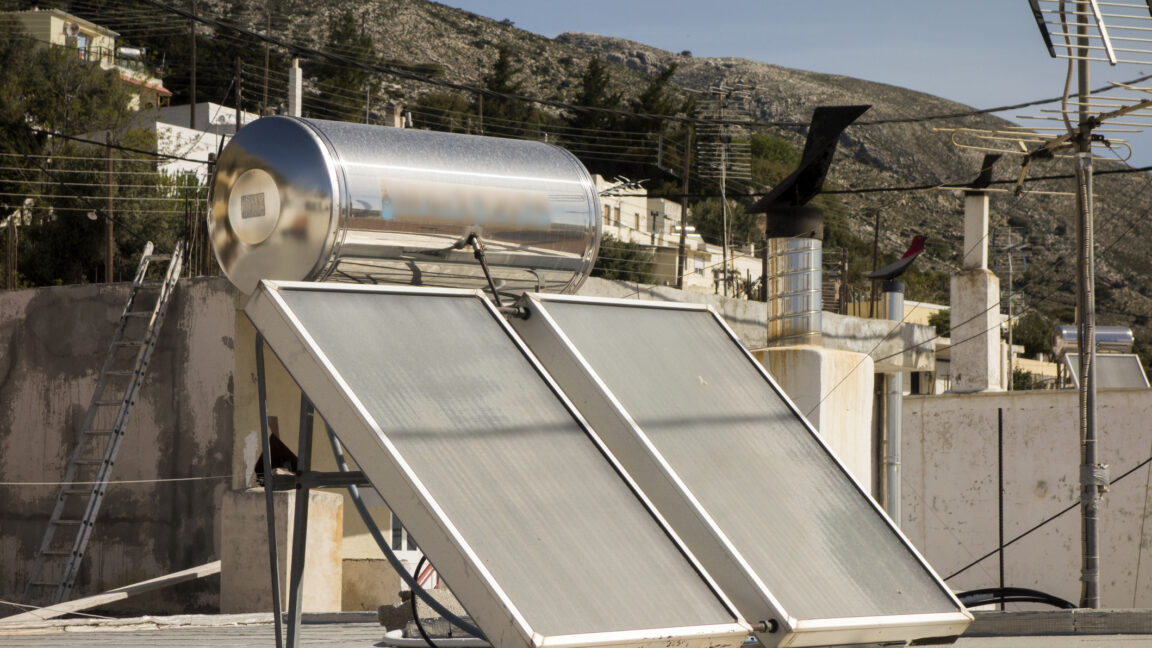
• Heating accounts for nearly half of the global energy demand, and two-thirds of that is met by burning fossil fuels like natural gas, oil, and coal. • Solar energy is a possible alternative, but while we have become reasonably good at storing solar electricity in lithium-ion batteries, we’re not nearly as good at storing heat. • To store heat for days, weeks, or months, you need to trap the energy in the bonds of a molecule that can later release heat on demand. • The approach to this particular chemistry problem is called molecular solar thermal (MOST) energy storage. • While it has been the next big thing for decades, it never really took off. • In a recentSciencepaper, a team of researchers from the University of California, Santa Barbara, and UCLA demonstrate a breakthrough that might finally make MOST energy storage effective.
Article Summaries:
- Heating accounts for nearly half of the global energy demand, and two-thirds of that is met by burning fossil fuels like natural gas, oil, and coal. Solar energy is a possible alternative, but while we have become reasonably good at storing solar electricity in lithium-ion batteries, we’re not nearly as good at storing heat. To store heat for days, weeks, or months, you need to trap the energy in the bonds of a molecule that can later release heat on demand. The approach to this particular chemistry problem is called molecular solar thermal (MOST) energy storage. While it has been the next big
- Researchers at UC Santa Barbara and UCLA have demonstrated a promising advance in molecular solar‑thermal (MOST) energy storage, a technology that can capture solar heat in chemical bonds and release it months later. The team drew inspiration from UV‑induced DNA damage, where high‑energy light links thymine bases into a (6‑4) lesion that can further rearrange into a Dewar isomer. In biology, the enzyme photolyase repairs these lesions. By mimicking this reaction, the new molecules store significant energy, resist degradation, and avoid toxic solvents-potentially overcoming long‑standing barriers to practical MOST systems.
Sources: