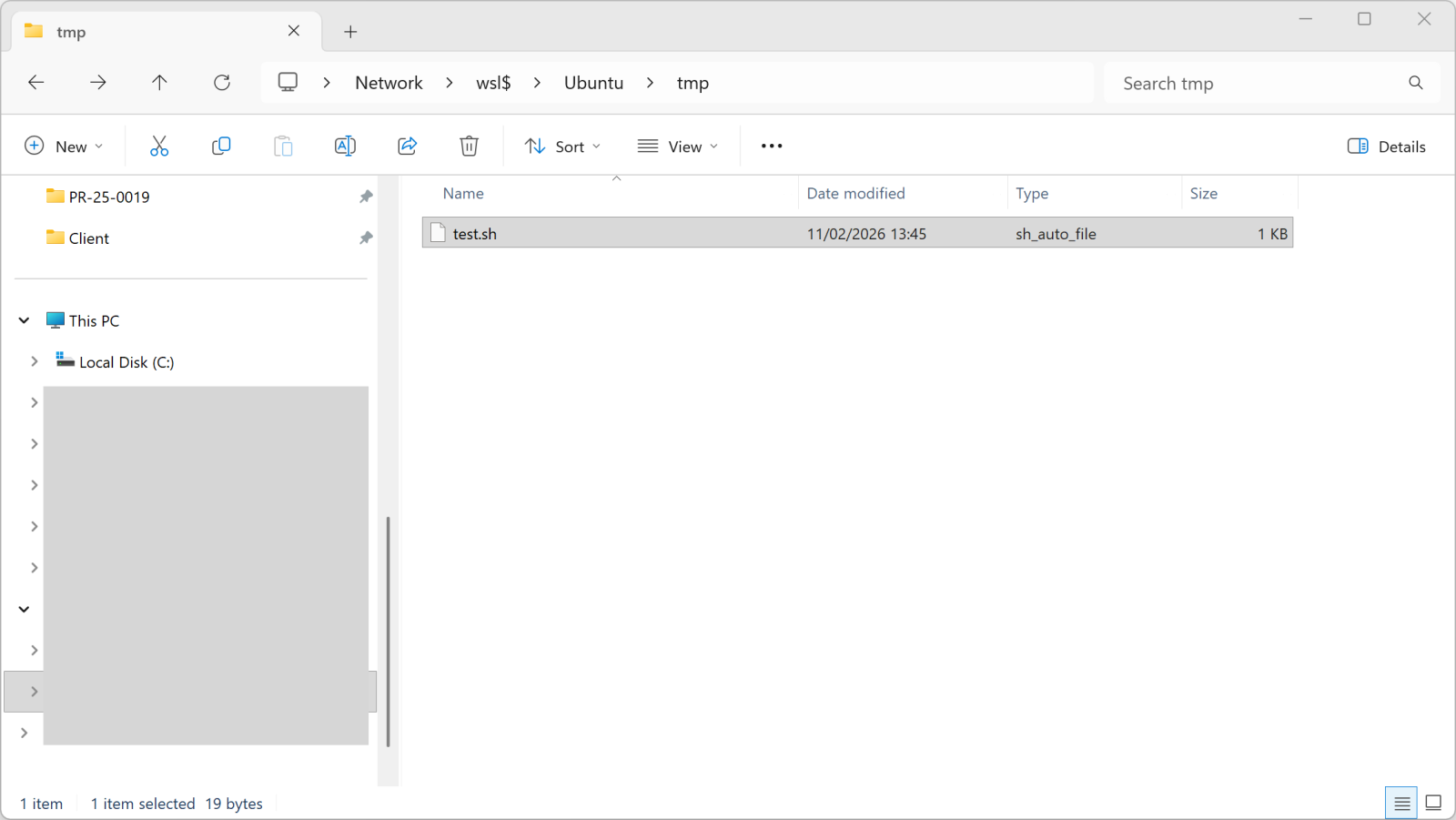
• WSL lets users run a full Linux environment inside Windows, eliminating need for VMs or dual boot. • WSL2’s lightweight virtualized kernel boosts compatibility and performance for development and security workflows. • Attackers can drop Linux tools into the WSL rootfs and execute them from Windows. • Malware samples detect WSL presence via environment variables and /proc/version checks. • Scripts can retrieve Windows usernames through cmd.exe or /mnt/c/Users enumeration. • WSL functions as a living‑off‑the‑land tool, enabling stealthy cross‑platform attacks.
Article Summaries:
- WSL in the Malware Ecosystem WSL or “Windows Subsystem Linux”[1] is a feature in the Microsoft Windows ecosystem that allows users to run a real Linux environment directly inside Windows without needing a traditional virtual machine or dual boot setup. The latest version, WSL2, runs a lightweight virtualized Linux kernel for better compatibility and performance, making it especially useful for development, DevOps, and cybersecurity workflows where Linux tooling is essential but Windows remains the primary operating system. It was introduced a few years ago (2016) as part of Windows 10. WSL can
Sources: