• Video: The twisting tail of fire that can clean up oil spills Facebook Twitter LinkedIn Reddit Flipboard Email Oil spills in oceans can spell disaster for ecosystems, but options for mitigating them are limited and can come with their own environmental challenges. • A new “fire tornado” from Texas A&M University might soon be able to come to the rescue. • Although oil spills from tankers have declined over the years, there are still enough of them to cause concern. • In 2025, for example,there were six spillsthat released a total of nearly 30,000 barrels of crude and fuel oil into the environment. • That brings the total number of spills for the decade to 308,000 barrels of oil leaked into the oceans. • Then there are other types of spills, such as the oil released by the Deepwater Horizon drilling rig, which leaked 4.9 million barrels of oil into the Gulf of Mexico, decimating wildlife, entering the food chain, and fouling beaches, marshes, and wetlands.
Article Summaries:
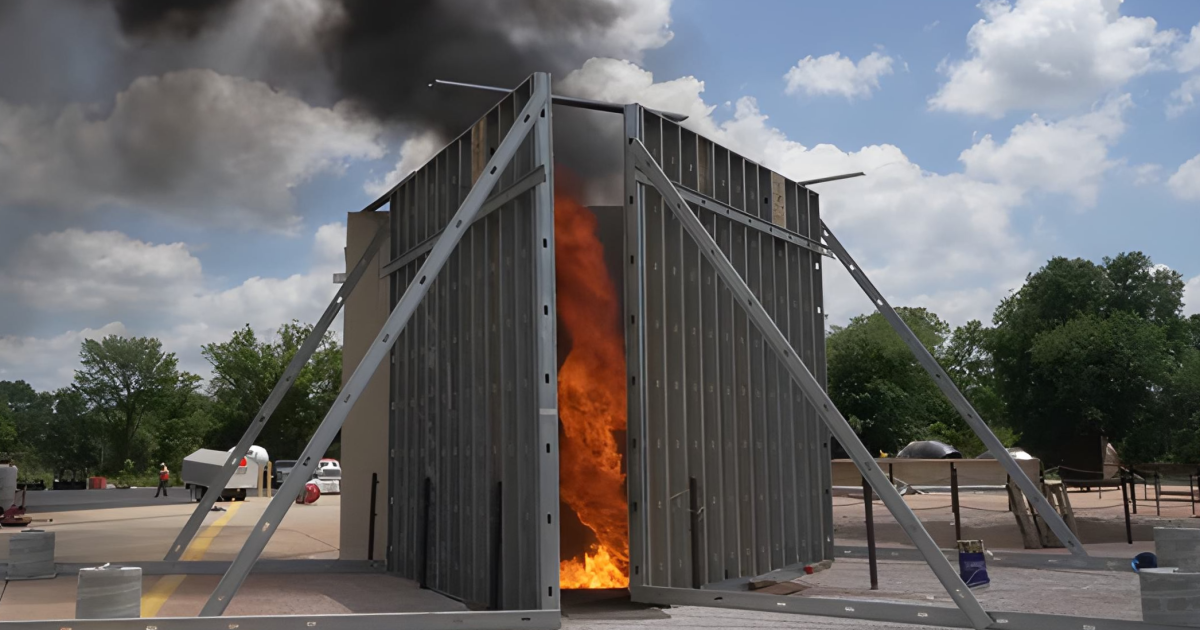
- Texas A&M University researchers have created a proof‑of‑concept “fire whirl” that could improve oil‑spill cleanup. The device uses a 16‑foot triangular frame to spin air around a flame over a water‑oil mixture, producing a 17‑foot high fire tornado. In lab tests the whirl burned 95 % of an oil slick, 40 % faster than conventional in‑situ burning, and left 40 % less soot. The continuous oxygen supply allows hotter combustion, reducing smoke and sticky residues. While the system was tested under controlled conditions, the study suggests fire whirls could become a more efficient, environmentally friendly tool for future oil‑spill remediation.
- Texas A&M researchers have created a prototype “fire whirl” that could improve oil‑spill cleanup. The device uses a 16‑foot triangular frame to swirl air around a flame fed by a crude‑oil‑coated water pool, producing a 17‑foot high fire tornado. In lab tests the whirl burned off 95 % of an oil slick 40 % faster than conventional in‑situ burns and left 40 % less soot. While the study is a proof‑of‑concept conducted under stable conditions and not yet tested on moving seas, the researchers argue the technology could offer a cleaner, more efficient alternative to current oil‑burning methods.
Sources:
- https://newatlas.com/environment/fire-whirl-oil-spills/ (Latest source article published: 2026-02-24 11:29 UTC)