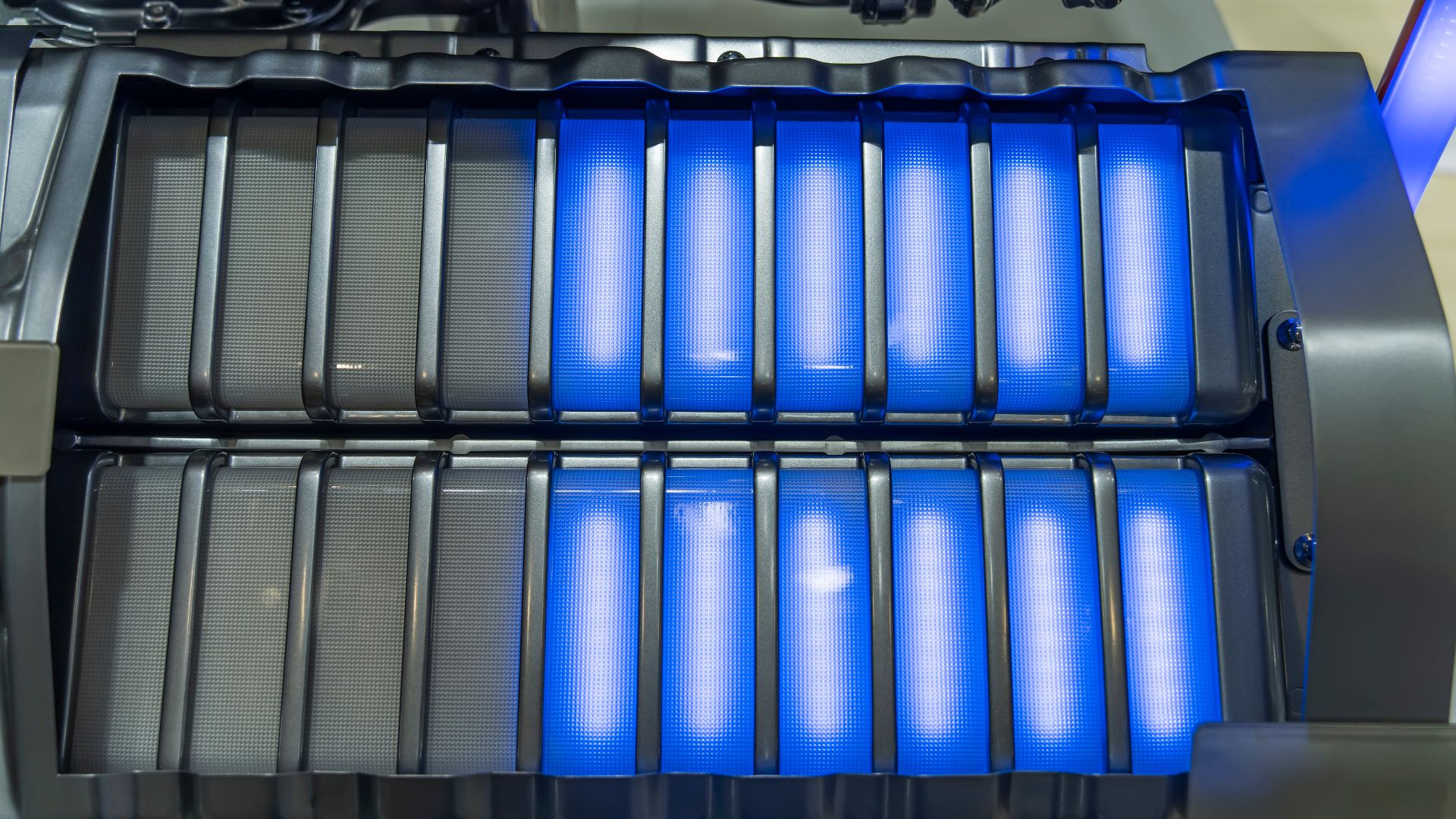
• US: New gel-based electrolyte boosts anode-free EV batteries, retains 80% capacity A salt-phobic polymer network in the electrolyte helps create favorable conditions at nanoscale inside the battery. • Researchers at the Columbia University School of Engineering and Applied Science have developed a new gel electrolyte for anode-free lithium-ion batteries that improves their safety and lifetime. • To develop this, the researchers had to rethink the interactions between polymer electrolytes and lithium ions at the nanoscale. • The increased demand for electrification is being met with the most energy-dense energy storage solution developed by humanity - lithium-ion batteries. • Anode-free lithium-ion batteries promise even higher energy density than their anode-containing counterparts, and at a lower cost. • However, the technology has not reached its potential due to issues such as unstable lithium plating and reactions at the electrode-electrolyte interface, which shorten battery life and raise safety concerns.
Article Summaries:
- Columbia University researchers have created a gel‑based electrolyte that improves the safety and longevity of anode‑free lithium‑ion batteries, which promise higher energy density for electric vehicles. The electrolyte incorporates a salt‑phobic polymer network that repels lithium ions while attracting solvent molecules, creating nanoscale compositional separation. This structure promotes a thin, inorganic‑rich interphase that enables smoother, denser lithium deposition and suppresses parasitic reactions that consume active lithium. In laboratory tests, the gel electrolyte retained over 80 % of its capacity under near‑real‑world conditions and withstood drilling abuse tests without thermal runaway, unlike conventional liquid electrolytes. The team suggests the approach could extend to other battery chemistries.
Sources: