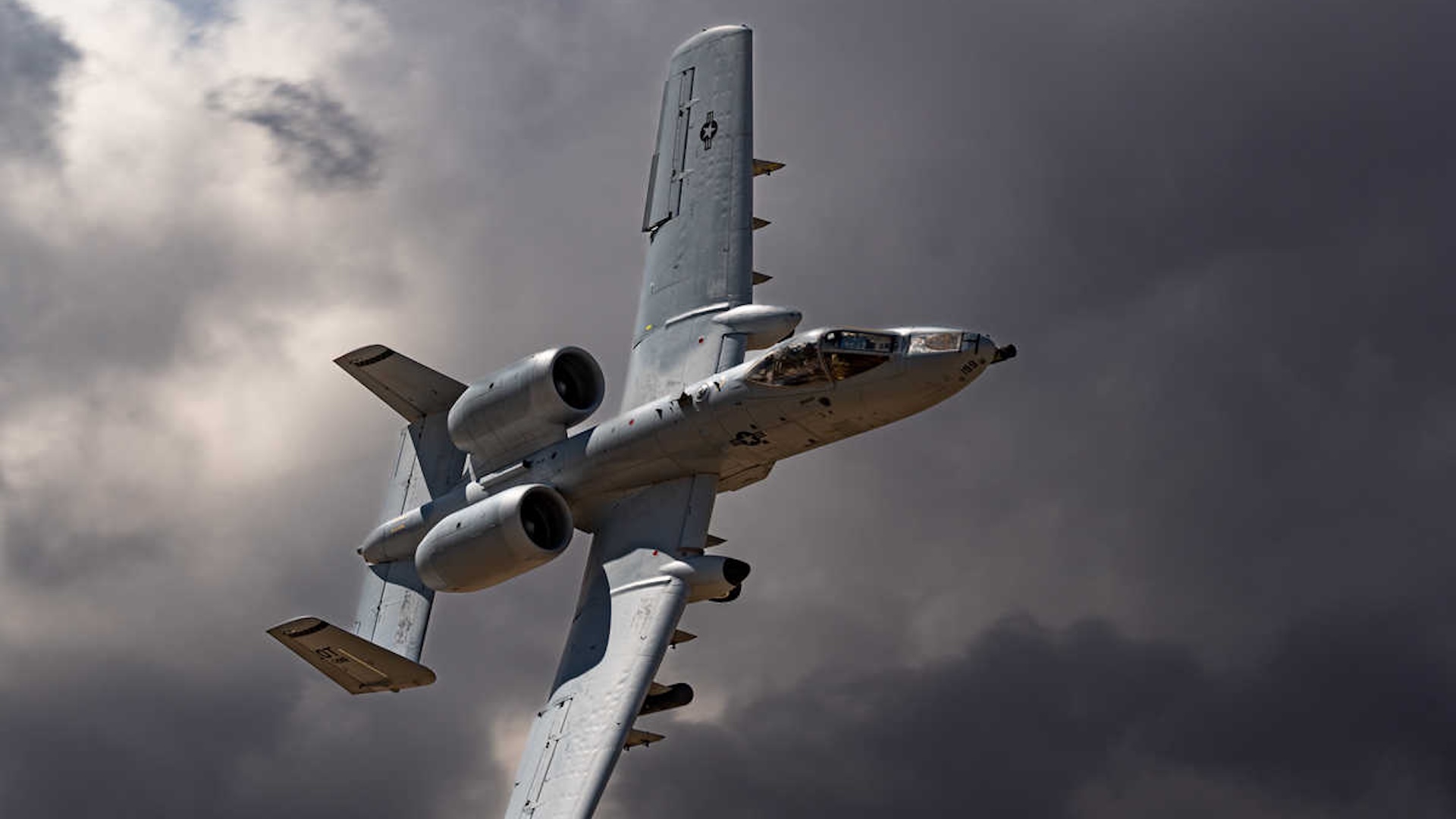
• US Air Force aims to enhance aircraft safety with improved data management The US Air Force will utilize a new data management method to enhance aircraft safety and reduce maintenance costs. • Some of the US Air Force’s legacy aircraft have been in continuous service for decades. • As data collection and safety practices evolve over time, this creates complications related to data continuity. • The US Air Force’s longest-serving bomber, for example, the Boeing B-52 Stratofortress, has been in continuous service for over 70 years. • Entire generations of personnel have joined and left the forces since it first flew in 1952. • In a bid to tackle this issue, Southwest Research Institute (SwRI) is developing a new data management system to keep the US Air Force’s aircraft safe.
Article Summaries:
- The U.S. Air Force is partnering with Southwest Research Institute (SwRI) to deploy a new Product Lifecycle Management (PLM) system aimed at improving safety and cutting maintenance costs for its aging fleet, including the 70‑year‑old B‑52 Stratofortress. The PLM will centralize decades of scattered records and data across multiple formats, enabling prognostic engineering that predicts and flags potential issues before they affect operations. By integrating with existing analysis tools, the system will support future digital‑twin development and provide traceable, version‑controlled data for maintenance decisions, ultimately enhancing aircraft reliability and reducing costly failures.
Sources: