• Share Link copied to clipboard! • Content types Industry trends Topics AI and agents Defending against advanced tactics Security management Security operations SIEM and XDR Security operations are entering a pivotal moment: the operating model that grew around network logs and phishing emails is now buckling under tool sprawl, manual triage, and threat actors that outpace defender capacity. • New research from Microsoft and Omdia shows just how heavy the burden can be-security operations centers (SOCs) juggle double-digit consoles, teams manually ingest data several times a week, and nearly half of all alerts go uninvestigated. • The result is a growing gap between cyberattacker speed and defender capacity. • ReadState of the SOC-Unify Now or Pay Laterto learn how hidden operational pressures impact resilience-compelling evidence to why unification, automation, and AI-powered workflows are quickly becoming non-negotiables for modern SOC performance. • The forces pushing modern SOC operations to a breaking point The report surfaces five specific operational pressures shaping the modern SOC-spanning fragmentation, manual toil, signal overload, business-level risk exposure, and detection bias.
Article Summaries:
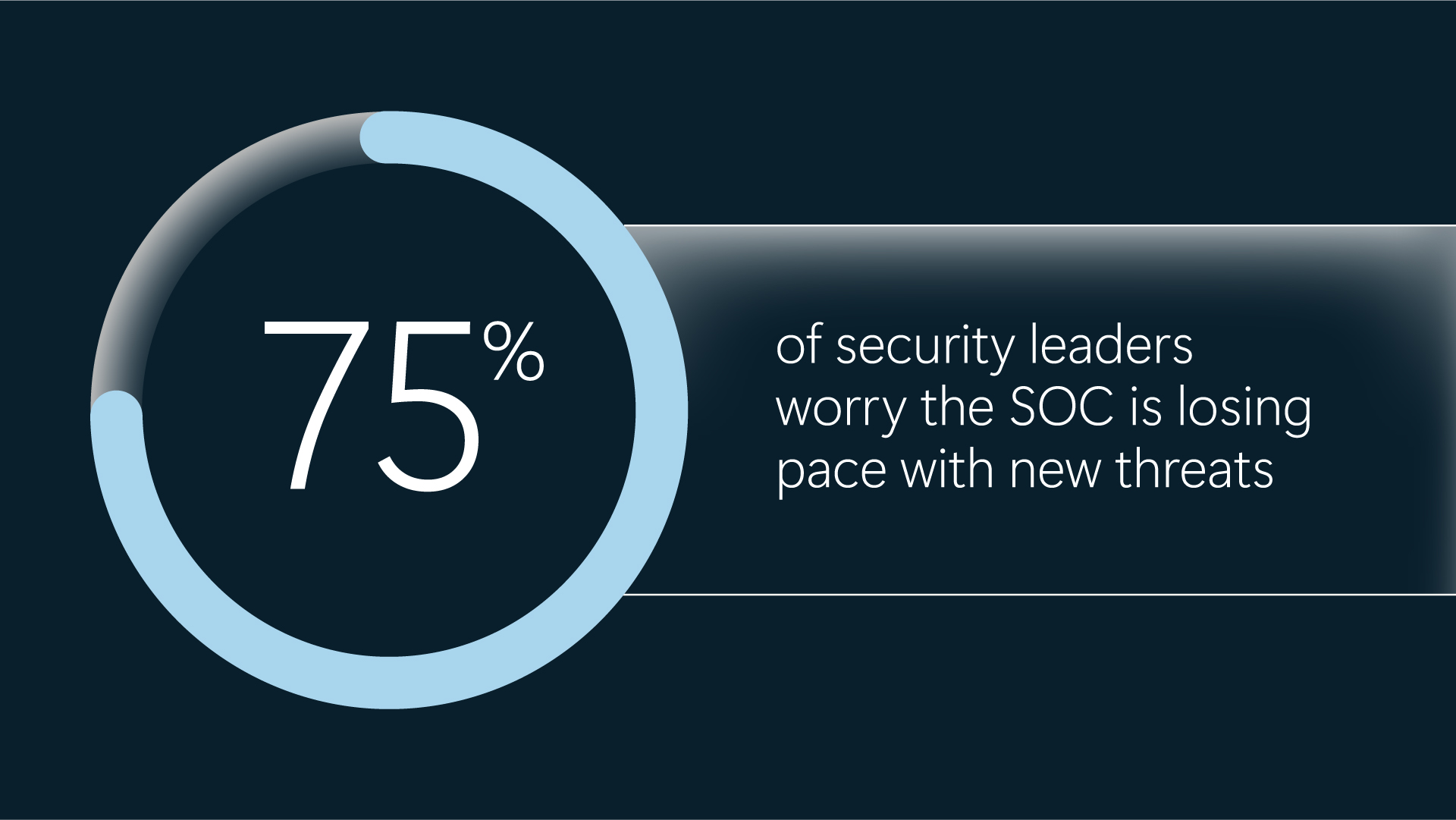
- Microsoft and Omdia’s new “State of the SOC” report shows that fragmented security operations are eroding defender capacity. SOCs average 10.9 consoles, with only 59 % of tools feeding data into a SIEM, forcing analysts to manually stitch context. Six‑sixth of SOCs lose 20 % of their week to aggregation, while 46 % of alerts are false positives and 42 % go uninvestigated. The study links these pressures to real business risk: 91 % of leaders report serious incidents, and 75 % fear the SOC can’t keep pace with emerging threats. The findings underscore the urgency of unifying tools, automating workflows, and deploying AI‑driven triage to close the defender‑attacker gap.
Sources:
- https://www.microsoft.com/en-us/security/blog/2026/02/17/unify-now-or-pay-later-new-research-exposes-the-operational-cost-of-a-fragmented-soc/ (Latest source article published: 2026-02-17 17:00 UTC)