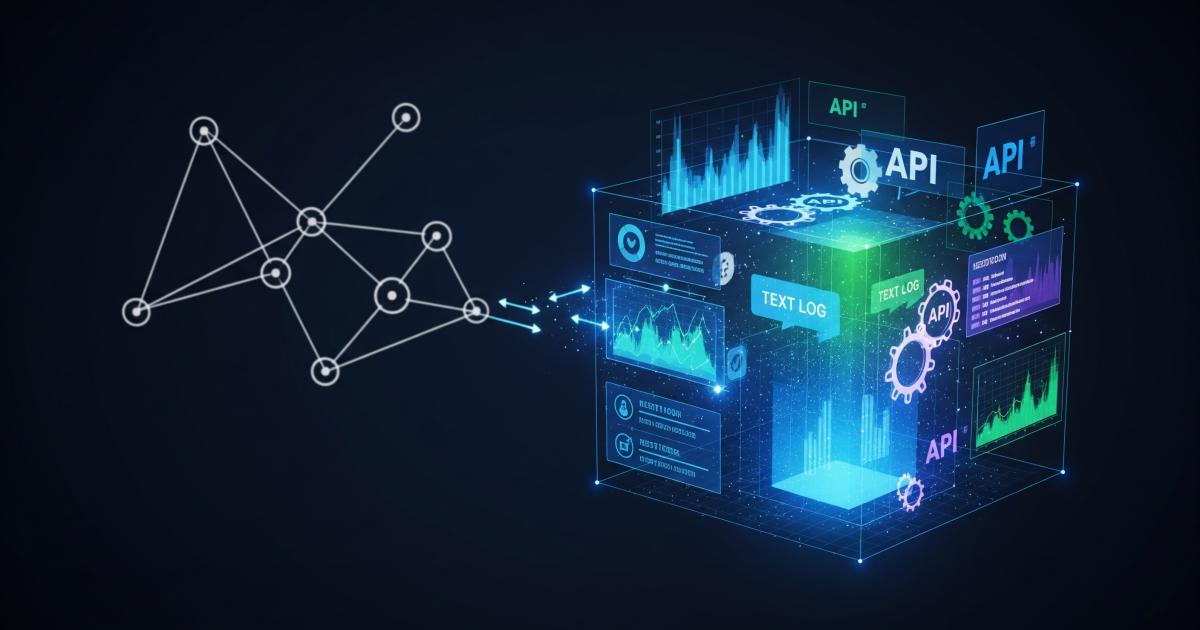
• Unified observability dissolves data silos, enabling end‑to‑end visibility across applications, infrastructure, and network. • A single pane of glass replaces fragmented tools, accelerating incident response and reducing blame cycles. • Transition from specialist to system thinker fosters cross‑team collaboration and holistic problem solving. • Deep observability shifts focus from monitoring to understanding root causes through contextual data. • AI and log analytics enrich unified platforms, delivering actionable insights faster than traditional methods. • The “aha” moment occurs when teams see the entire system, from code to packet, in real time.
Article Summaries:
- Unified Observability: Seeing the Whole Picture
The article chronicles the industry’s move from fragmented monitoring tools to a single, integrated observability platform. It highlights how siloed systems-APM, infrastructure, and network tools-lead to prolonged incident resolution and blame cycles. By contrast, a unified dashboard (e.g., New Relic) correlates application latency, server CPU spikes, and network traffic on a shared timeline, enabling on‑call engineers to pinpoint root causes within minutes. The piece outlines a blueprint that starts with core network data, layers infrastructure and application context, and visualizes all metrics against a common time axis, illustrating the tangible benefits of end‑to‑end visibility.
Sources: