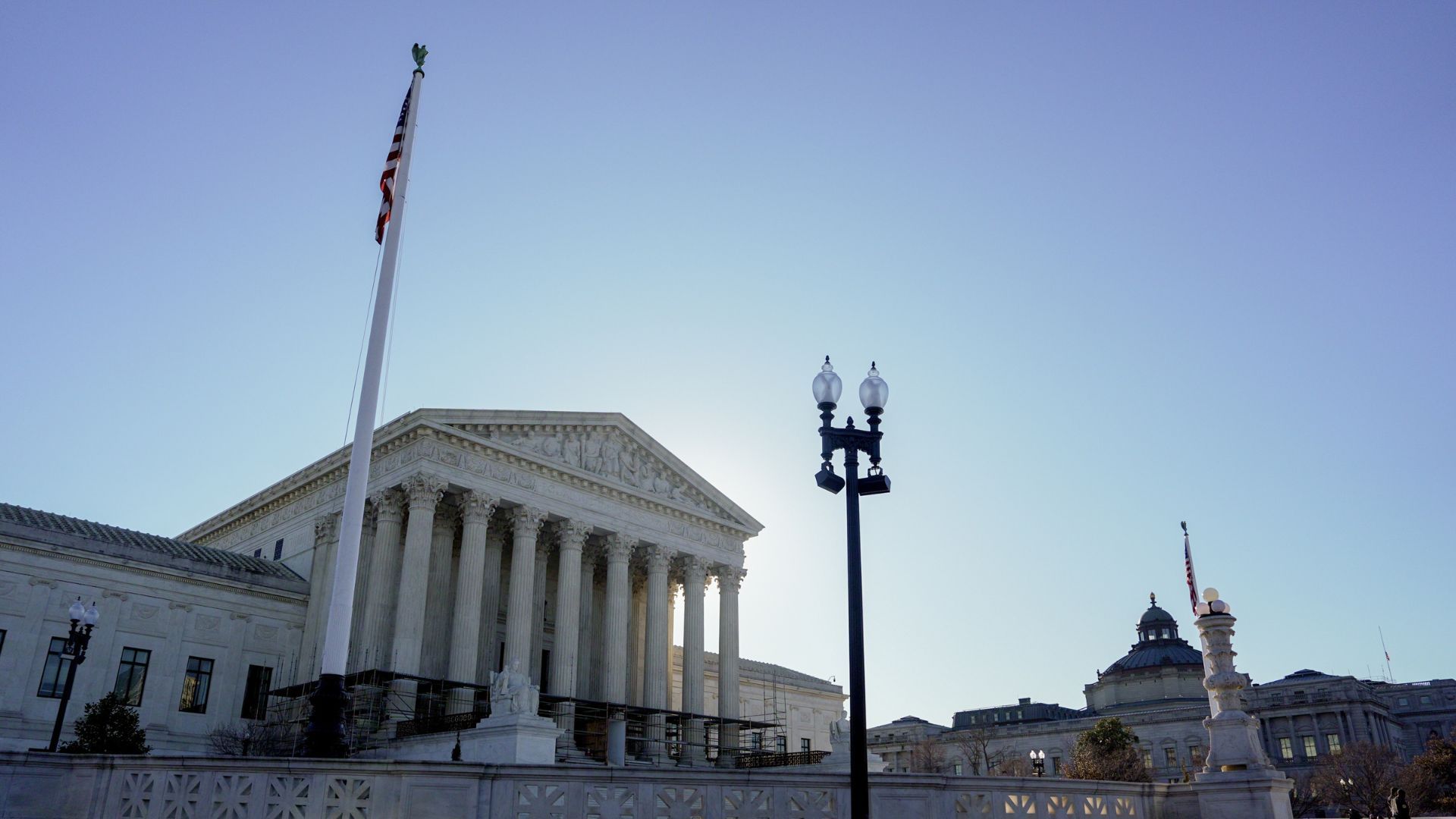
• Supreme Court shoots down President Trump’s tariffs - Consumer Technology Association hails ‘victory for all Americans,’ calls for swift refunds to retailers The White House is looking at other regulations, like Section 232, to keep tariffs in place. • Get Tom’s Hardware’s best news and in-depth reviews, straight to your inbox. • You are now subscribed Your newsletter sign-up was successful The United States Supreme Court just shot down most of President Donald Trump’s tariffs. • In a 6-3 decision [PDF], the court said that the 1977 International Emergency Economic Powers Act (IEEPA) does not give the President unilateral power to prescribe import duties without prior approval from Congress. • The Trump administration argued that the nearly 50-year-old law gives the President the power to “regulate” the “importation or exportation” of “any property in which any foreign country or a national thereof has any interest by any person, or with respect to any property, subject to the jurisdiction of the United States.” While previous presidents have used the law to impose sanctions and embargoes on other nations, this is the first time that it has been used to apply tariffs on imports. • The White House argues that the term “regulate” gives Trump the right to impose levies at will.
Article Summaries:
- The U.S. Supreme Court invalidated most of President Donald Trump’s tariffs in a 6‑3 ruling, holding that the 1977 International Emergency Economic Powers Act (IEEPA) does not grant the President unilateral authority to impose import duties without congressional approval. Chief Justice John Roberts emphasized that IEEPA’s language does not cover tariffs and that any such power must be expressly authorized by Congress. The decision nullifies tariffs on goods from nearly every country, relieving importers and retailers of the costs that were passed to consumers. The Consumer Technology Association called the ruling a “victory for all Americans” and urged swift refunds to affected businesses, while the White House signals it may pursue other statutory tools, such as Section 232, to maintain trade‑policy objectives.
Sources: