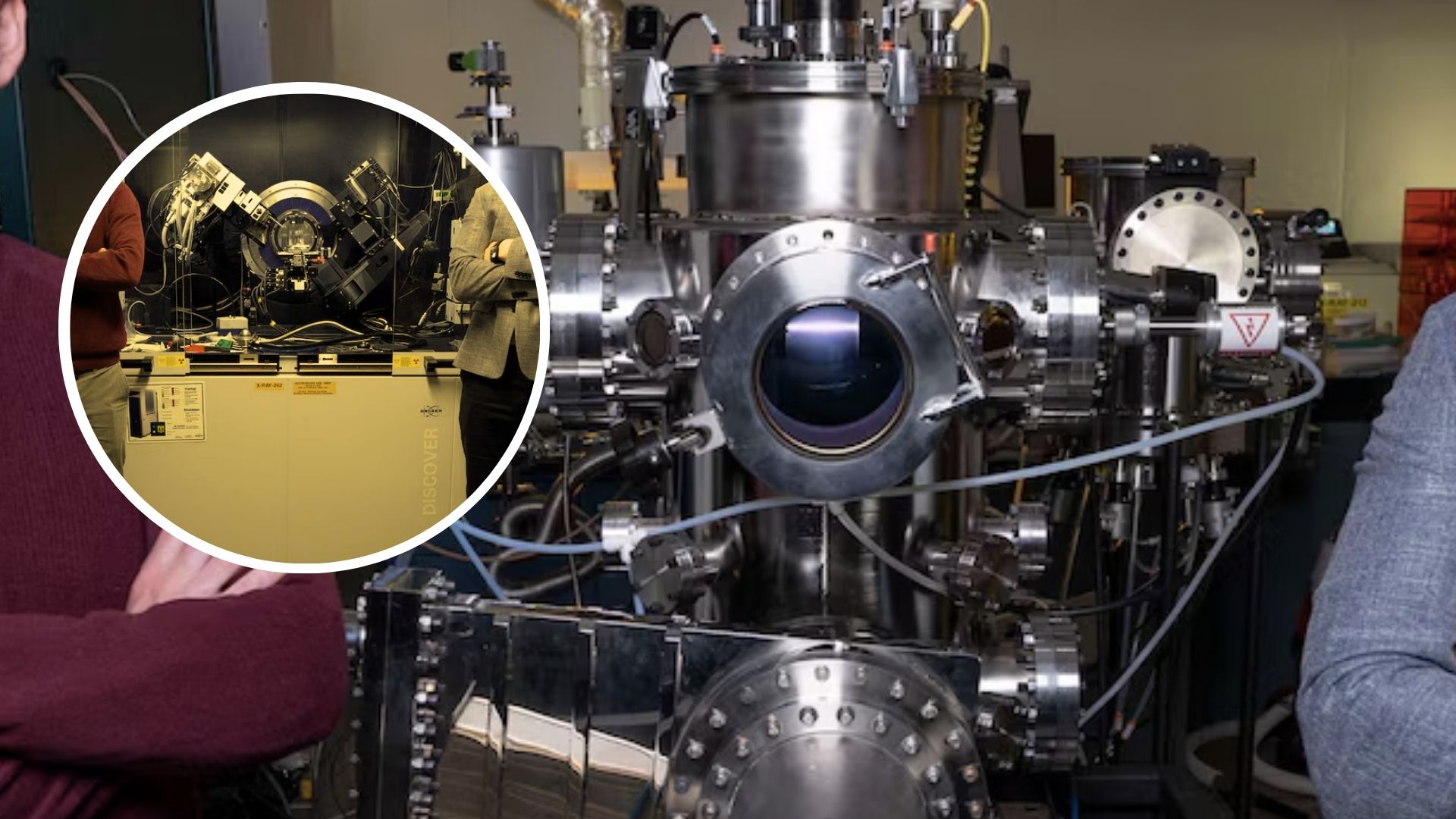
• True source of magnetic effect in altermagnetism found, questioning faster computing claims Altermagnets are a hot field of research right now. • Researchers in the United States have found the true source of a magnetic effect, a material called ruthenium dioxide (RuO₂). • This can help resolve an active debate in the rapidly growing field of altermagnetism. • “Altermagnets are a hot field of research right now,” said Steven Bennett, Ph.D., an NRL materials scientist and co-author of the study. • “There’s been a rush to experimentally demonstrate what theorists predicted, because the impact on high-speed, energy-efficient computing could be significant.” Newly predicted class of materials that could enable faster The team pointed out that RuO₂ has drawn global attention as a possible “altermagnetic” material, a newly predicted class of materials that could enable faster, more energy-efficient computing technologies. • The excitement has been fueled by theory and early experimental reports suggesting that RuO₂ might host an unusual magnetic state with major implications for spintronics and high-speed electronics, according to a press release.
Article Summaries:
- Researchers in the United States have identified the true source of the magnetic effect observed in ruthenium dioxide (RuO₂), a material long touted as a promising altermagnet for high‑speed, energy‑efficient computing. Using polarized neutron reflectometry and neutron diffraction at Oak Ridge National Laboratory, the team showed that the exchange bias seen in thin‑film RuO₂/ferromagnet stacks originates from interface effects rather than intrinsic altermagnetic order. While the study does not rule out altermagnetism under specific conditions, it demonstrates that exchange bias alone cannot serve as definitive evidence, casting doubt on earlier claims that RuO₂ could enable faster computing technologies.
Sources: