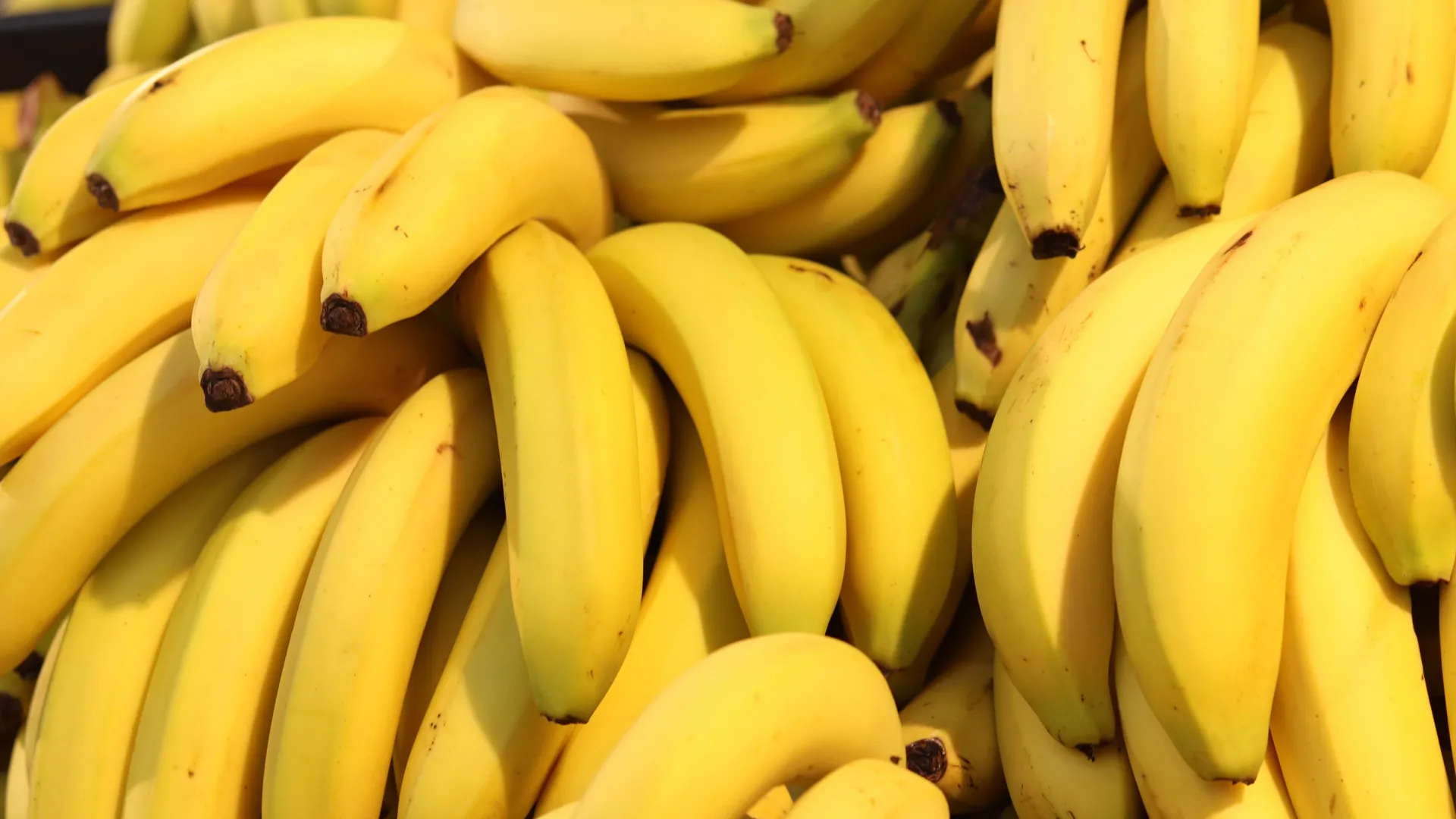
• Toxic metals found in bananas after Brazil mining disaster Toxic metals from a decade-old mining disaster may be quietly accumulating in bananasâ and could pose risks for young children. • Researchers in soil science, environmental engineering, and public health from the University of São Paulo (USP), the Federal University of Espírito Santo (UFES) in Brazil, and the University of Santiago de Compostela in Spain investigated whether crops grown near the Doce River estuary are safe to eat. • The area in Linhares, Espírito Santo, has been exposed to iron mining waste since the Fundão tailings dam collapsed in Minas Gerais in November 2015. • The team focused on bananas, cassava, and cocoa pulp cultivated in soil affected by the disaster. • They examined levels of cadmium, chromium, copper, nickel, and lead, metals linked to iron oxides, which are the primary component of the tailings. • Their findings suggest that eating bananas grown in contaminated soil may present a potential health risk for children six years old and younger.
Article Summaries:
- Researchers from the University of São Paulo, the Federal University of Espírito Santo, and the University of Santiago de Compostela have found that toxic metals released by the 2015 Fundão tailings dam collapse in Brazil are accumulating in crops grown near the Doce River estuary. Analysis of bananas, cassava, and cocoa pulp revealed elevated levels of lead, cadmium, chromium, copper, and nickel-elements linked to the iron‑oxide‑rich tailings. The study, published in Environmental Geochemistry and Health, indicates that bananas grown in contaminated soil pose a potential health risk for children under six, while adults face lower immediate danger but may still be exposed to cumulative long‑term effects.
Sources: