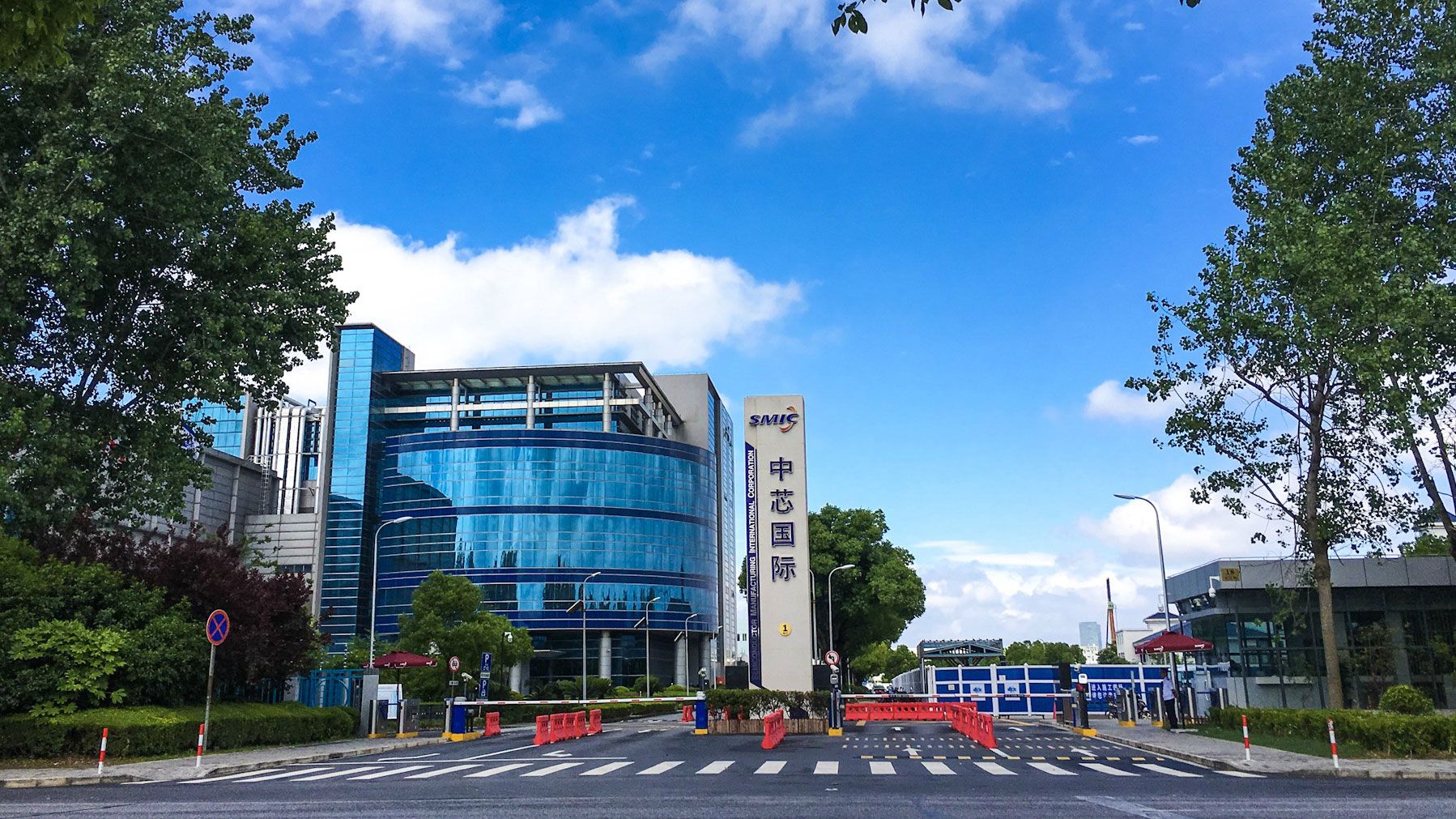
• The state of China’s decade-long semiconductor push: still a decade behind, despite hundreds of billions spent and significant progress - examining the original ‘Made in China 2025’ initiative Money isn’t the only thing required. • Get Tom’s Hardware’s best news and in-depth reviews, straight to your inbox. • You are now subscribed Your newsletter sign-up was successful In 2013, China was the largest maker of electronics, and the country imported the vast majority of chips required for manufacturing smartphones and PCs, as it had no microelectronics production capabilities of its own. • Driven by concerns surrounding dependence on foreign technology, China’s State Council launched what it called the ‘Made in China 2025’ initiative. • The plan aspired to turn China from a global factory into something more lucrative, and included a 70% self-sufficiency in semiconductors by 2025. • Over a decade and hundreds of billions in spending later, China has made remarkable progress.
Article Summaries:
- China’s decade‑long “Made in China 2025” semiconductor push has yielded notable progress but still lags far behind global leaders. The initiative aimed for 70 % self‑sufficiency by 2025, yet China remains decades behind in advanced process technology and equipment. Efforts to acquire memory giant Micron failed, leading to the creation of domestic firms such as Fujian Jinhua Integrated Circuit Company, which partnered with UMC but faced legal disputes over technology transfer. The state‑run Big Fund has funded three phases: building basic capacity (2014‑18), developing advanced supply chains (2019‑24), and aiming for full independence (2025‑40). Despite hundreds of billions spent, China’s semiconductor industry still trails the world.
Sources: