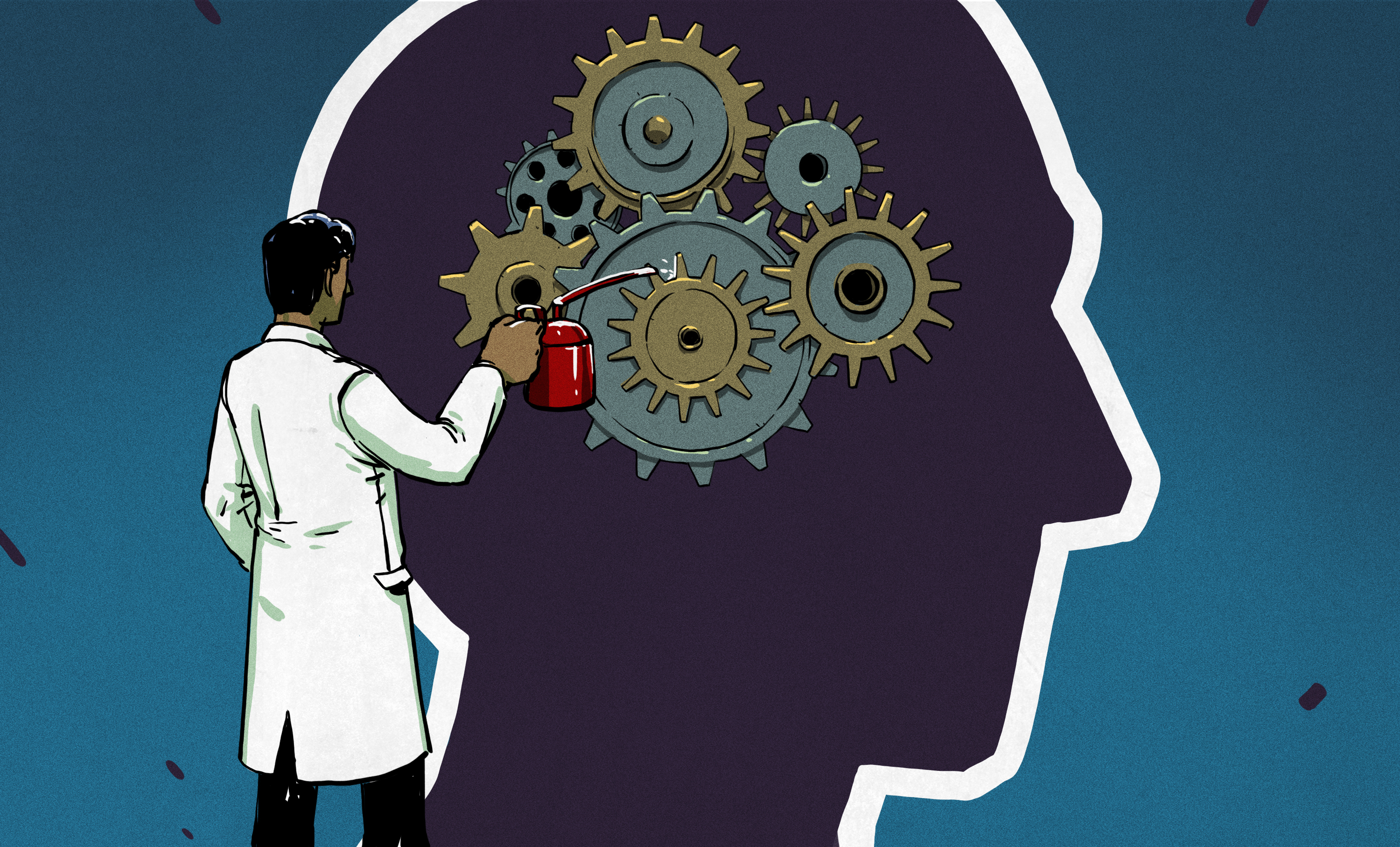
• The media is full of breathless reports that AI can now code and human programmers are going to be put out to pasture. • In fact, we think the “AI revolution” is just a natural evolution that we’ve seen before. • Consider, for example, radios. • Early on, if you wanted to have a radio, you had to build it. • You may have even had to fabricate some or all of the parts. • Even today, winding custom coils for a radio isn’t that unusual.
Article Summaries:
- The article argues that the hype around AI “replacing” programmers is overstated, likening the current AI wave to the historical evolution of radio technology. Just as radios moved from hand‑built prototypes to mass‑produced units, AI tools will augment rather than eliminate human developers. The piece stresses that designers and system engineers remain essential, as they craft the high‑level requirements that guide AI‑generated code. It emphasizes the need for clear, testable requirements-e.g., “The system shall process at least 50 records per minute”-to ensure reliable, maintainable software. The author concludes that AI is a natural progression, not a disruptive revolution.
- AI is redefining how software requirements are treated. Traditionally, requirements are fixed documents created during design and then frozen for implementation. In AI‑enabled systems, however, requirements become dynamic, runtime artifacts that must be monitored and enforced continuously in production. This shift collapses the traditional boundary between design‑time and runtime, turning requirements into behavioral constraints that are verified on the fly. It also promotes shared responsibility, with engineering and operations teams jointly owning and validating these constraints. The result is a more fluid, continuously verified development model that aligns with the adaptive nature of AI systems.
Sources: