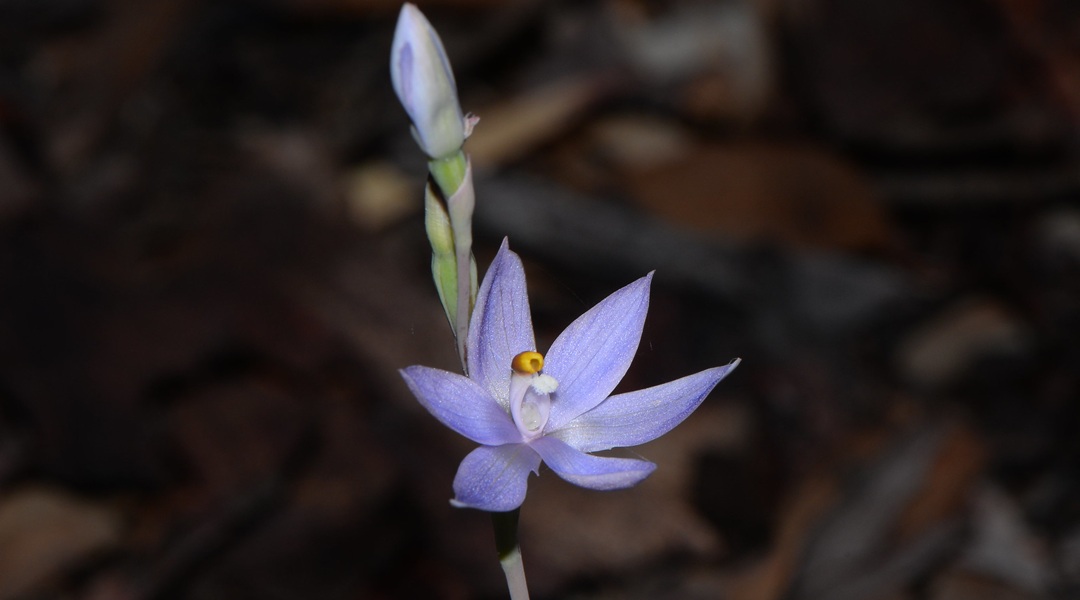
• Deceptive sun orchids are known to mimic nearby flowering plants, displaying showy anthers to lure bees. • Now, researchers report that fruit production in sun orchids plummeted up to 71% when false anthers were removed or otherwise occluded. • These findings conclusively show that false anthers offer sun orchids immense adaptive advantages. • Some flowering plants make bees work for their food, shaking loose pollen only when the pollinators buzz and vibrate floral anthers. • Found in Australia, sun orchids use structures called false anthers that mimic those of competing flowering plants. • While this kind of mimicry is especially common, the importance of false anthers for pollination success in sun orchids has not been clearly established.
Article Summaries:
- Deceptive sun orchids are known to mimic nearby flowering plants, displaying showy anthers to lure bees. Now, researchers report that fruit production in sun orchids plummeted up to 71% when false anthers were removed or otherwise occluded. These findings conclusively show that false anthers offer sun orchids immense adaptive advantages. Some flowering plants make bees work for their food, shaking loose pollen only when the pollinators buzz and vibrate floral anthers. Found in Australia, sun orchids use structures called false anthers that mimic those of competing flowering plants. While this
Sources:
- https://www.advancedsciencenews.com/sun-orchids-successfully-trick-bees-with-false-anthers/ (Latest source article published: 2026-02-16 06:04 UTC)