• Yelp integrates LLMs to interpret search queries, improving intent detection for millions of daily searches. • The team tackled spelling correction, segmentation, canonicalization, and review highlighting with LLMs. • LLM-based query understanding benefits from query‑level caching, low text volume, and power‑law distribution. • Development followed a structured pipeline: ideation, prototyping, evaluation, and full‑scale rollout. • The project pioneered Yelp’s broader LLM strategy, enabling features like business summaries and Yelp Assistant. • Production deployment required rigorous testing, latency optimization, and continuous monitoring for quality.
Article Summaries:
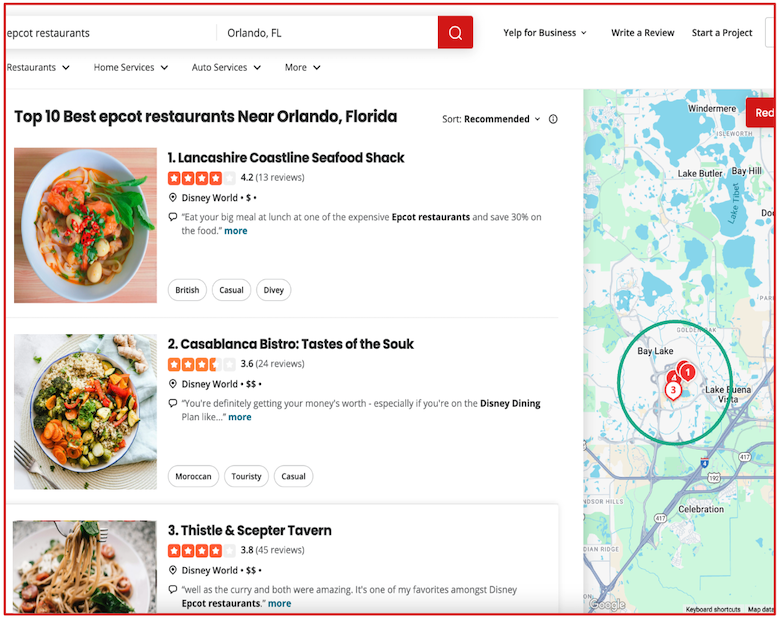
- Yelp has moved Large Language Models (LLMs) from prototype to production to improve how it interprets user search queries. The new system tackles tasks such as spelling correction, segmentation, canonicalization, and review‑highlight generation-all of which can be cached at the query level and benefit from the power‑law distribution of popular searches. By replacing fragmented legacy components with a unified LLM‑based pipeline, Yelp can more accurately identify intent, refine location context, and surface relevant review snippets. The blog outlines the development process, example use cases, and the operational benefits realized in live search traffic.
Sources: