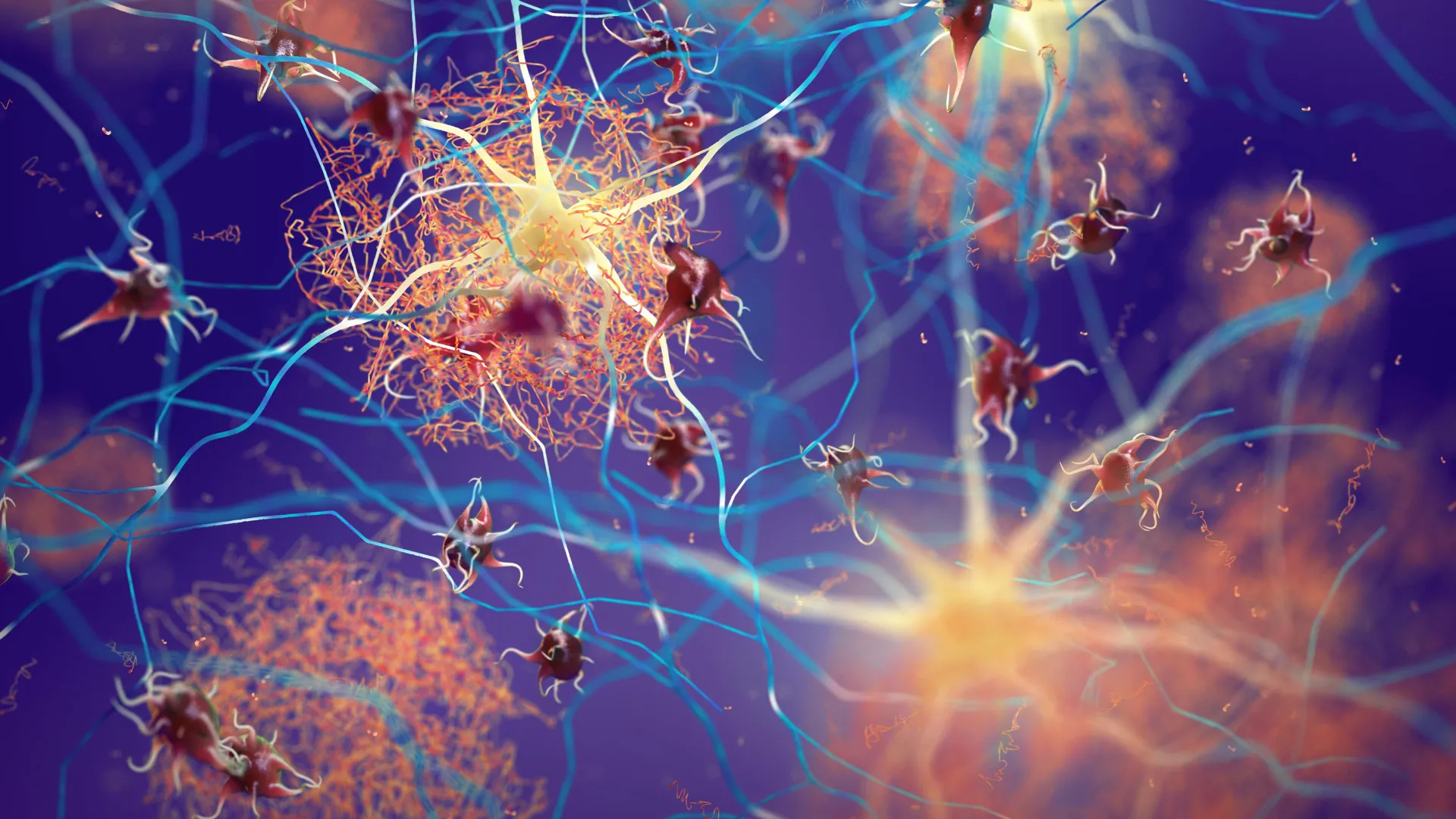
• Scientists discover brain switches that clear Alzheimerâ s plaques Scientists at Karolinska Institutet in Sweden and the RIKEN Center for Brain Science in Japan have identified two brain receptors that help regulate the breakdown of amyloid beta, the protein that builds up in Alzheimer’s disease. • Their findings suggest it may be possible to develop future medications that are both safer and more affordable than today’s antibody based treatments. • Alzheimer’s disease is the leading cause of dementia and is marked by sticky clumps of amyloid beta (Aβ) forming plaques in the brain. • Normally, an enzyme called neprilysin helps clear away Aβ. • However, neprilysin activity declines with aging and during the progression of the disease. • The research team discovered that two somatostatin receptors, SST1 and SST4, work together to control neprilysin levels in the hippocampus, a region essential for memory.
Article Summaries:
- Scientists discover brain switches that clear Alzheimerâs plaques - Date: - February 17, 2026 - Source: - Karolinska Institutet - Summary: - Researchers have identified two brain receptors that help the brain clear away amyloid beta, a hallmark of Alzheimerâs disease. By stimulating these receptors in mice, scientists increased levels of a natural amyloid-breaking enzyme, reduced buildup in the brain, and improved memory-related behavior. Because these receptors are common drug targets, the findings could open the door to affordable pill-based treatments with fewer side effects. - Share: Scien
Sources: