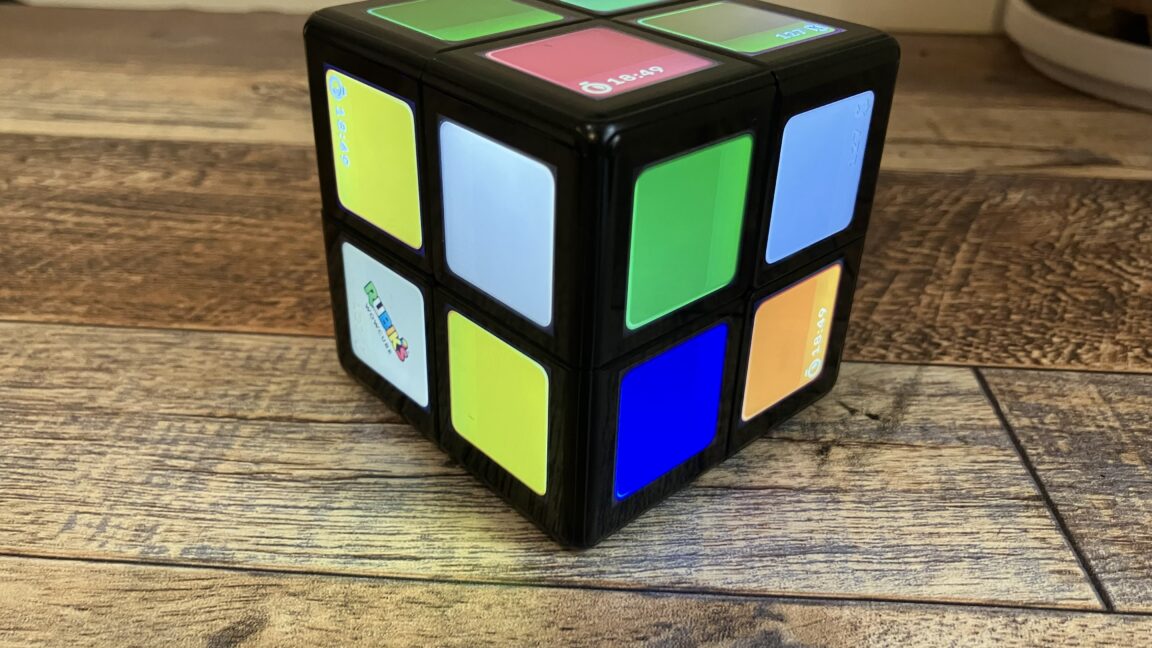
• There’s something special about the gadget that “just works.” Technology can open opportunities for those devices but also complicate and weigh down products that have done just fine without things like sensors and software. • So when a product like the beloved Rubik’s Cube gets stuffed with wires, processors, and rechargeable batteries, there’s demand for it to be not just on par with the original-but markedly better. • The CubiosRubik’s WOWCubesuccessfully breathes fresh life into the classic puzzle, but it’s also an example of when too much technology can cannibalize a gadget’s main appeal. • The WOWCube isa modern takeon the Rubik’s Cube, an experiment from Hungarian architecture professor Ernő Rubik. • Rubik aimed to makea structurecomposed of eight cubes that could move independently without the structure collapsing. • The Rubik’s Cube became a widely distributed toy, an ’80s craze, and, eventually, a puzzle icon.
Article Summaries:
- Rubik’s WOWCube, a tech‑enhanced version of the classic puzzle, reimagines the Rubik’s Cube with a 2×2 grid, built by Hungarian architect Ernő Rubik. Unlike the original $10 toy that relies solely on mechanical design, the WOWCube incorporates sensors, a processor, and a rechargeable battery, enabling it to play games, display weather, and offer a new puzzle experience. Priced at $399, the device appeals to casual users seeking an easier challenge, while hardcore cubers may find the reduced 24‑piece format limiting. The product illustrates how added technology can both refresh a beloved toy and dilute its traditional appeal.
Sources: