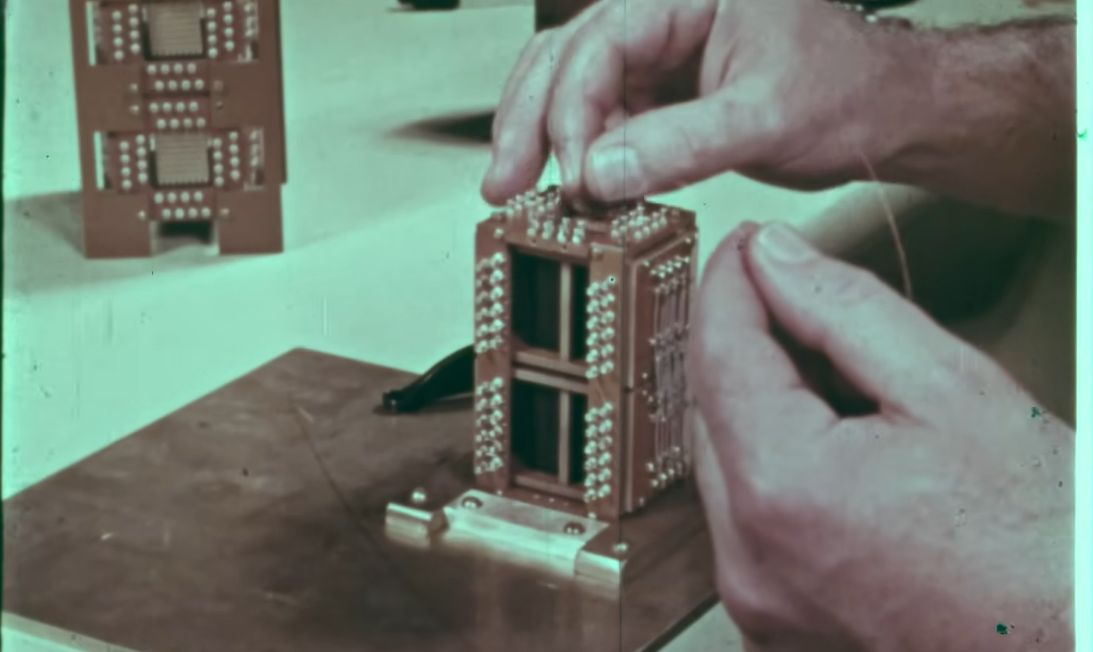
• Although digital computers are - much like their human computer counterparts - about performing calculations, another crucial element is that of memory. • After all, you need to fetch values from somewhere and store them afterwards. • Sometimes values need to be stored for long periods of time, making memory one of the most important elements, yet also one of the most difficult ones. • Back in the 1950s the storage options were especially limited, with a1959 Bell Labs film reelthat [Connections Museum] digitized running through the bleeding edge of 1950s storage technology. • After running through the basics of binary representation and the difference between sequential and random access methods, we’re first taking a look at punch cards, which can be read at a blistering 200 cards/minute, before moving onto punched tape, which comes in a variety of shapes to fit different applications. • Electromechanical storage in the form of relays are popular in e.g.
Article Summaries:
- Summary
The video chronicles the state of computer memory in 1959, highlighting the limited and diverse storage options of the era. It covers punch cards and tape for sequential access, electromechanical relays used in telephone exchanges, magnetic tape and drums for mass and working memory, and magnetic‑core memory’s non‑volatile but low‑density design. It also examines Bell Labs’ Twistor memory and early ROM concepts, vacuum‑tube barrier‑grid devices, and an optical flying‑spot store. The narrative underscores how these bulky, hand‑assembled technologies foreshadowed the rapid shift to semiconductor memory in the 1970s, setting the stage for modern RAM and optical storage.
Sources: