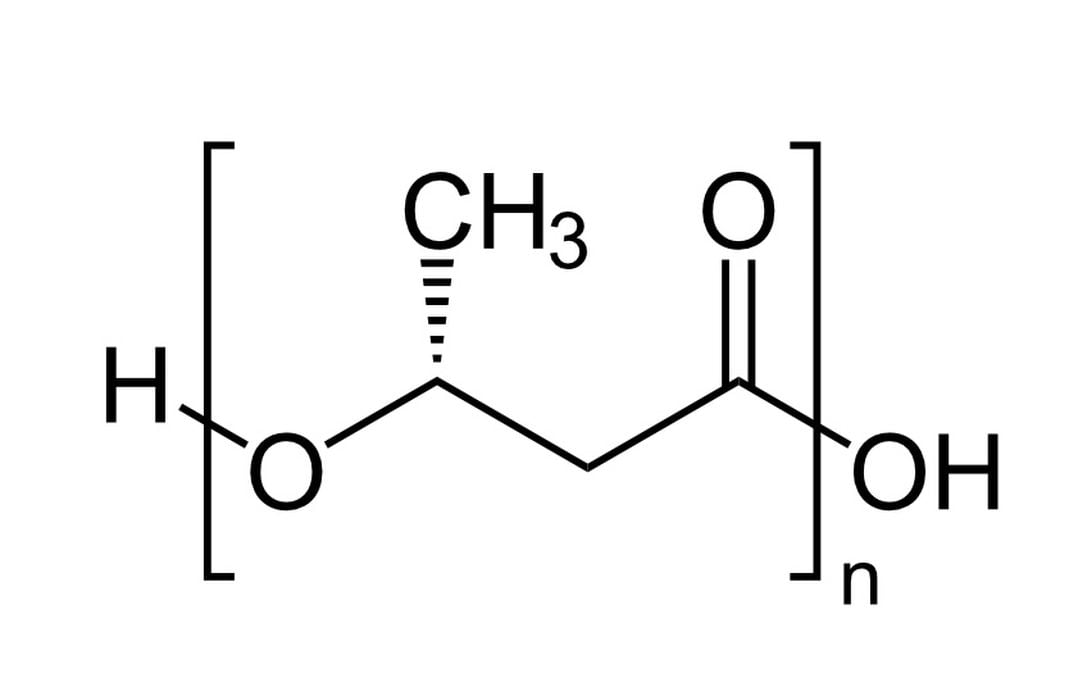
• Researchers explored Selective Laser Sintering of polyhydroxybutyrate with biocarbon filler, suggesting a greener polymer option for powder-bed AM. • Selective Laser Sintering (SLS) has long depended on nylon powders, especially PA12, because they deliver a forgiving sintering window, solid mechanicals, and reliable throughput. • Polyhydroxybutyrate (PHB), by contrast, is a biodegradable biopolyester with clear sustainability appeal but a reputation for a narrow processing window and thermal sensitivity. • This study examines how processing parameters and a biocarbon reinforcement influence PHB’s behavior in SLS - a timely question as manufacturers push for lower-carbon materials without sacrificing build reliability. • PHB’s attraction is obvious: it is produced from biogenic sources and can biodegrade under the right conditions, making it an enticing candidate for single-use fixtures, consumer goods, or medical models that do not need the longevity of nylons. • The barrier has been processability.
Article Summaries:
- Researchers explored Selective Laser Sintering of polyhydroxybutyrate with biocarbon filler, suggesting a greener polymer option for powder-bed AM. Selective Laser Sintering (SLS) has long depended on nylon powders, especially PA12, because they deliver a forgiving sintering window, solid mechanicals, and reliable throughput. Polyhydroxybutyrate (PHB), by contrast, is a biodegradable biopolyester with clear sustainability appeal but a reputation for a narrow processing window and thermal sensitivity. This study examines how processing parameters and a biocarbon reinforcement influence PHB’s be
Sources:
- https://www.fabbaloo.com/news/researchers-test-sls-of-phb-with-biocarbon (Latest source article published: 2026-02-20 09:12 UTC)