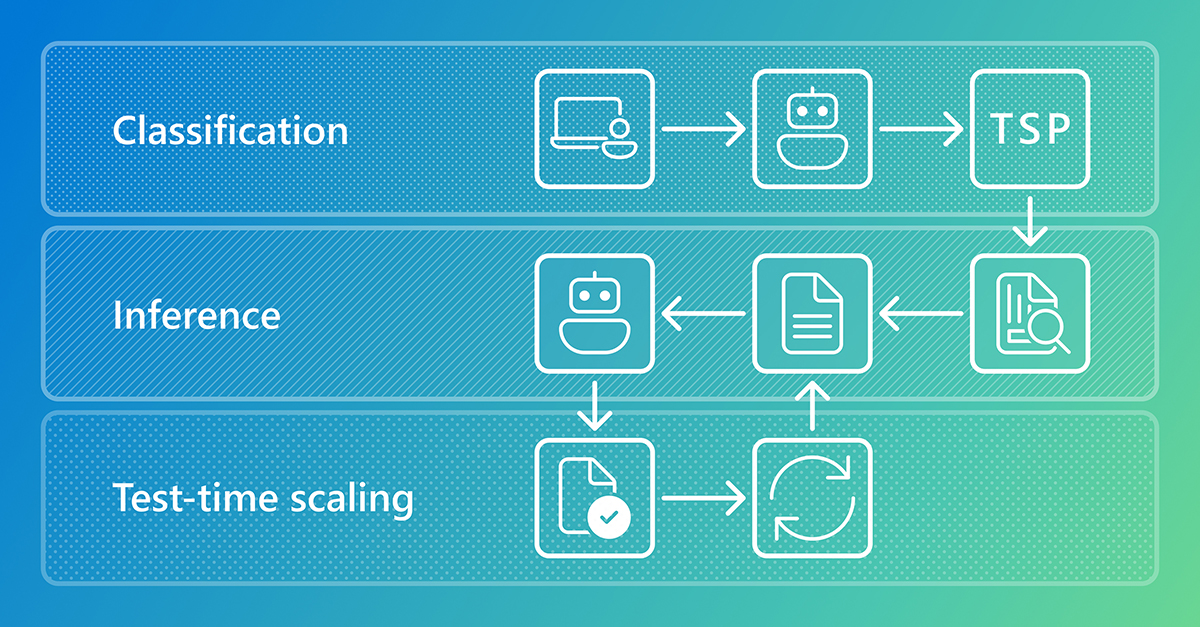
• At a glance Many real-world business problems can benefit from optimization, but translating decisions, constraints, and goals from natural language into optimization algorithms is slow. • OptiMind is a small language model designed to convert business problems described in natural language into the mathematical formulations needed by optimization software. • OptiMind is trained on a carefully curated, expert-aligned dataset and applies domain-specific hints and self-checks at inference time, improving its accuracy. • OptiMind matches or exceeds the performance of much larger systems, can run locally to protect sensitive data, produces more reliable formulations, and reduces the time and expertise needed to prepare optimization models. • Enterprises across industries, from energy to finance, use optimization models to plan complex operations like supply chains and logistics. • These models work by defining three elements: the choices that can be made (such as production quantities or delivery routes), the rules and limits those choices must follow, and the goal, whether that’s minimizing costs, meeting customer demand, or improving efficiency.
Article Summaries:
- OptiMind is a 20‑billion‑parameter language model that converts business problems described in plain English into the mathematical formulations required by optimization software. Trained on a curated, expert‑verified dataset and enhanced with domain‑specific hints and self‑checking at inference, it matches or surpasses larger models while remaining lightweight enough to run locally, keeping sensitive data on users’ devices. The system reduces the time and expertise needed to build optimization models-often a process that can take days to weeks-by automating the translation of decisions, constraints, and objectives into solvable mathematical form. OptiMind is positioned for use across industries such as energy, finance, supply‑chain, and logistics.
Sources: