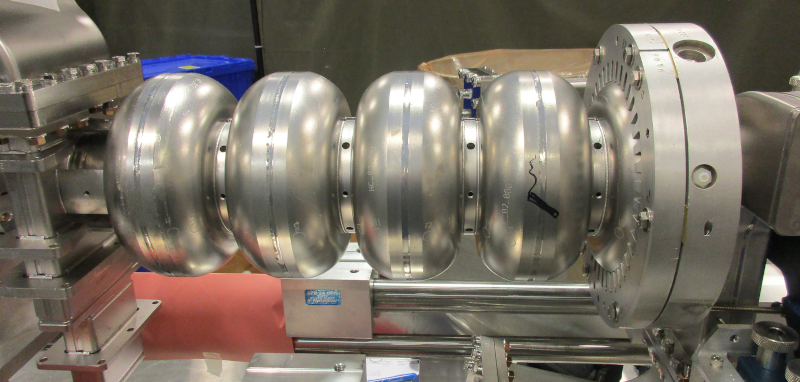
• One of the issues with nuclear power plants is that they produce long-lived radioactive waste. • Storing spent nuclear fuel is a real problem. • However, researchers at the Department of Energy’s Thomas Jefferson National Accelerator Facility have made strides not only to produce more electricity from spent fuel but also to break it down into shorter-lived nuclear waste. • [Aman Tripathi] shares the details aboutNEWTON, a program to fire high-energy protons at a target to produce a flood of neutrons that can interact with nuclear waste. • You can read the originalpress release, too. • Short-lived, of course, is a relative term.
Article Summaries:
- Researchers at the U.S. Department of Energy’s Thomas Jefferson National Accelerator Facility are testing a method called NEWTON that uses high‑energy protons to generate neutrons, which then transmute spent nuclear fuel into shorter‑lived isotopes. The process could reduce the hazardous period of waste from roughly 100,000 years to about 300 years while producing heat that can be converted to electricity. However, the technique requires cryogenic cooling for superconducting magnets and consumes around 10 MW of power, making it currently inefficient. Scientists aim to treat all U.S. nuclear waste within 30 years, but practical and energy‑cost challenges remain.
Sources: