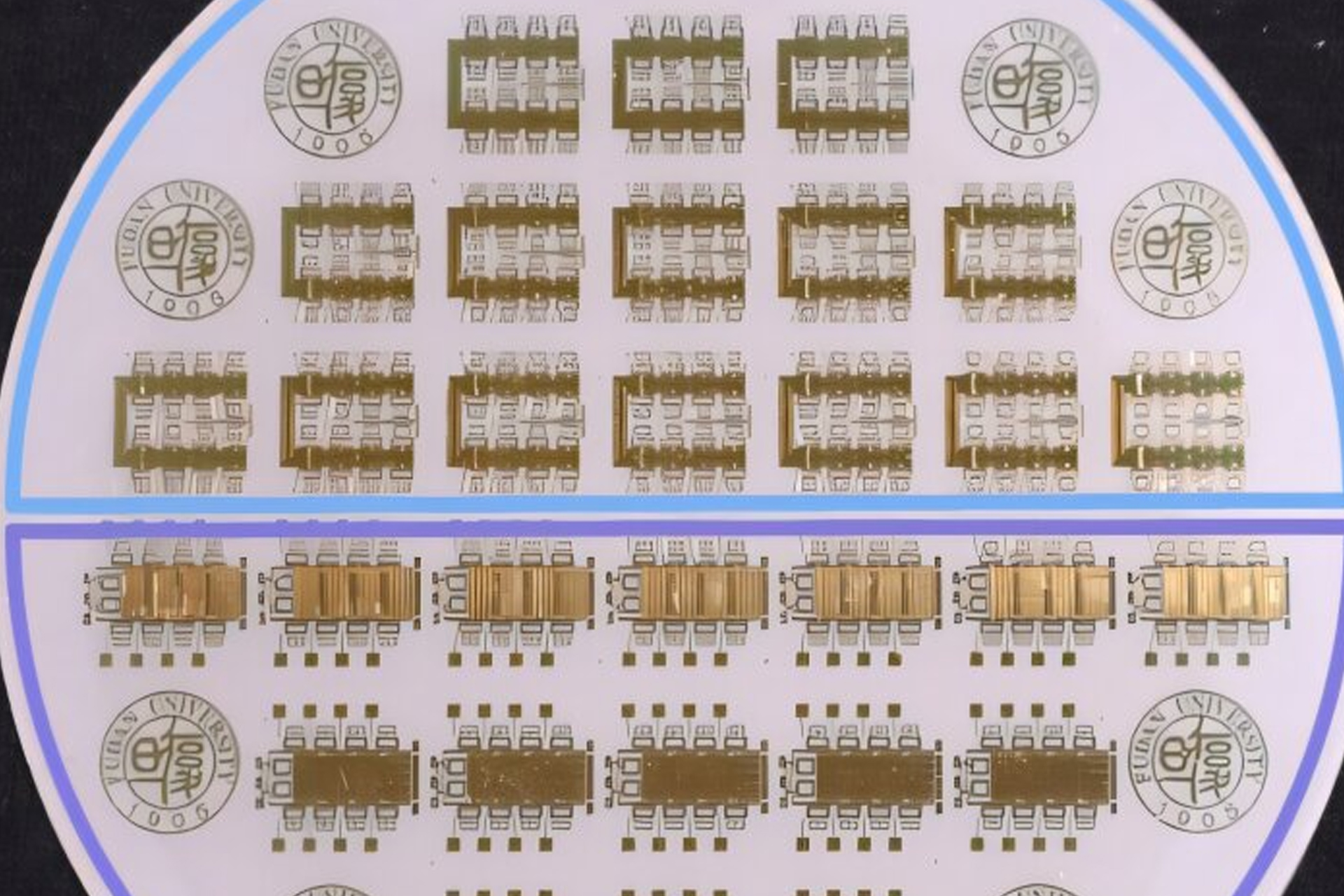
• New radiation-resistant electronic circuit can last for over 270 years in harsh space Built on a four-inch wafer, this one-atom-thick electronic system survives intense gamma tests and nine months in orbit. • Space is unforgiving to electronics. • Beyond Earth’s protective magnetic field, satellites are bombarded by cosmic rays and high-energy particles that slowly chip away at delicate circuits. • Over time, these invisible strikes can corrupt data, damage components, and shorten a spacecraft’s life. • To overcome this challenge, engineers usually add heavy shielding, but that extra weight increases launch costs and limits what a mission can carry. • Now, a team of researchers from Fudan University presents an interesting solution to this problem.
Article Summaries:
- Fudan University researchers have demonstrated a radiation‑resistant electronic circuit that could endure more than 270 years in harsh space environments. The team fabricated a 12-18 GHz radio‑frequency communication system on a 4‑inch wafer of monolayer molybdenum disulfide (MoS₂), a material only 0.7 nm thick. The device survived intense gamma‑ray irradiation and operated reliably for nine months in low‑Earth orbit, maintaining a bit‑error rate below 10⁻⁸. Because the atom‑thin MoS₂ absorbs little radiation, the authors predict the circuit will remain functional for centuries, offering a lightweight alternative to heavy shielding for future spacecraft.
Sources: