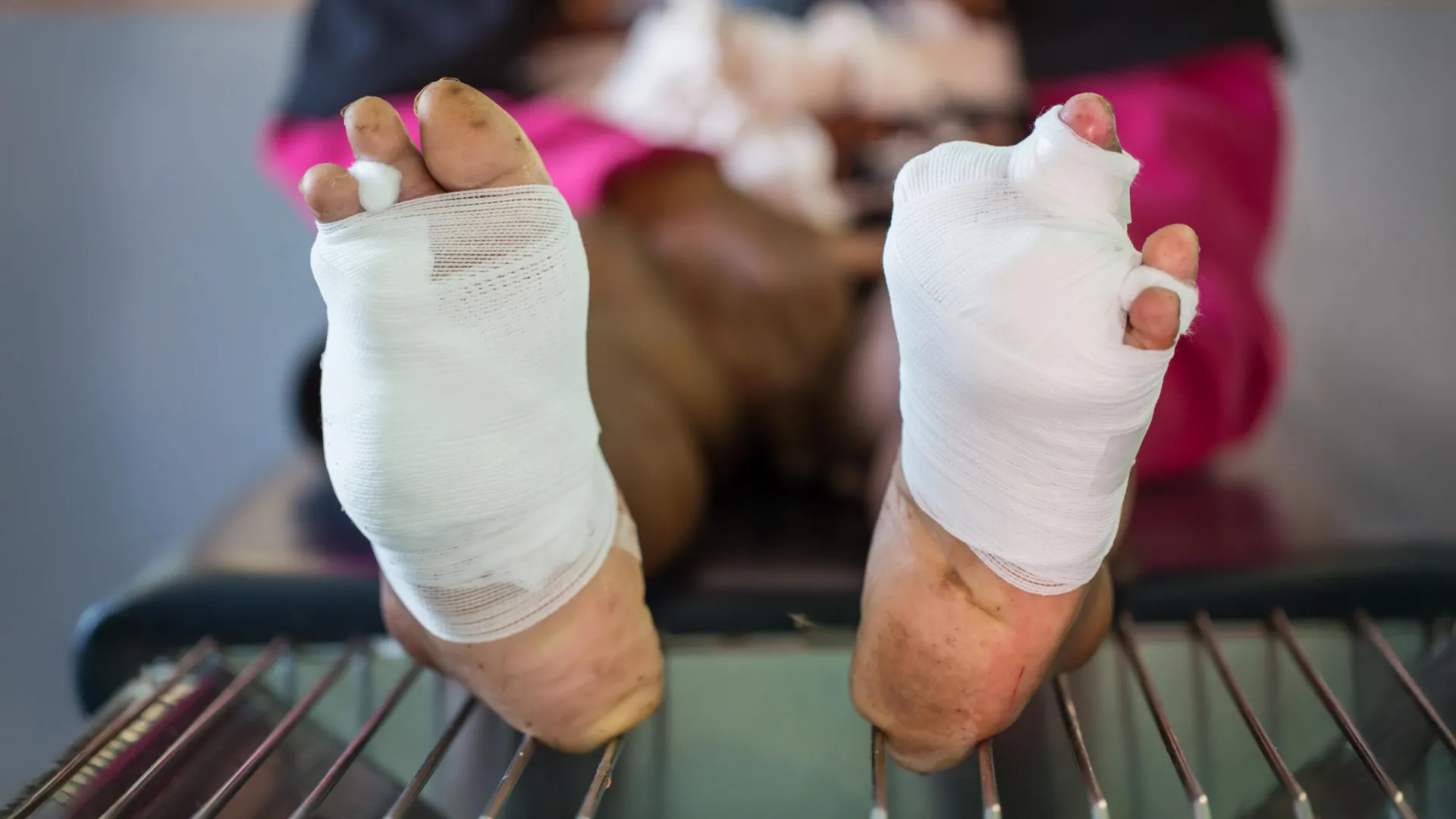
• New oxygen gel could prevent amputation in diabetic wound patients A tiny oxygen-releasing gel cNew Oxygen Gel Could Prevent Amputation in Diabetic Wound Patientsould turn nonhealing wounds into lifesaving recoveries. • As the population grows older and diabetes becomes more common, chronic wounds are affecting more people than ever. • These slow healing injuries significantly raise the risk of infection, tissue damage, and amputation. • Researchers at UC Riverside have developed a new oxygen delivering gel designed to help wounds heal before they progress to limb loss. • A wound that remains open for longer than a month is classified as chronic. • Worldwide, about 12 million people experience chronic wounds each year, including roughly 4.5 million in the United States.
Article Summaries:
- UC Riverside researchers have created a battery‑powered, oxygen‑releasing gel that delivers a steady supply of oxygen directly to the deepest layers of chronic wounds. The soft, antibacterial gel fills irregular wound surfaces and can maintain oxygen flow for up to a month, a duration needed for new blood vessels to form. In diabetic and aged mice, treated wounds healed within weeks, whereas untreated wounds failed to close and often led to death. The team suggests the technology could reduce amputation rates in diabetic patients and may eventually support lab‑grown organ development.
Sources: