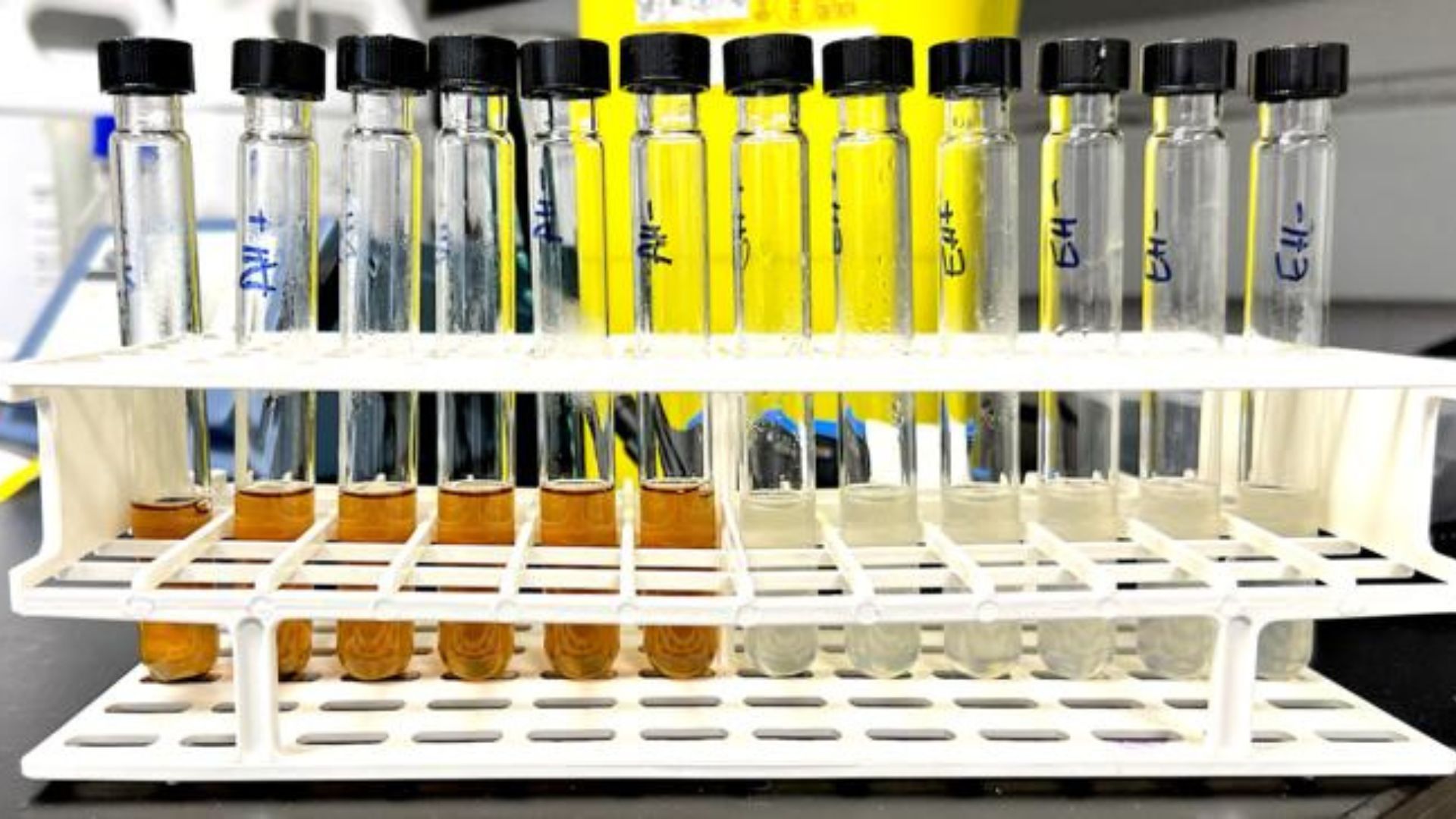
• New method uses waste bread to replace fossil fuels in chemical manufacturing The microbially produced hydrogen successfully fueled the hydrogenation of target chemicals under mild, low-energy conditions. • Most of us see a heel of dry, forgotten bread as a candidate for the bin, or perhaps a snack for the birds. • Scientists at the University of Edinburgh, however, see it as the potential solution for the chemical industry. • They used waste bread to power hydrogenation - a vital chemical process that currently produces everything from pharmaceuticals to plastics. • Particularly, a common strain of E. • coli was used to consume sugars from waste bread.
Article Summaries:
- Scientists at the University of Edinburgh have demonstrated a proof‑of‑concept that waste bread can replace fossil‑fuel‑derived hydrogen in industrial hydrogenation. A common strain of E. coli was fed sugars extracted from discarded bread, producing hydrogen gas in an oxygen‑free flask. The biogenic hydrogen, combined with a small amount of palladium catalyst, drove the hydrogenation of target chemicals at near‑room temperature and low pressure, eliminating the need for fossil‑fuel hydrogen. The team claims the process could be carbon‑negative and plans to develop a catalyst‑free version, potentially transforming large‑scale chemical manufacturing toward greener, sustainable practices.
Sources: