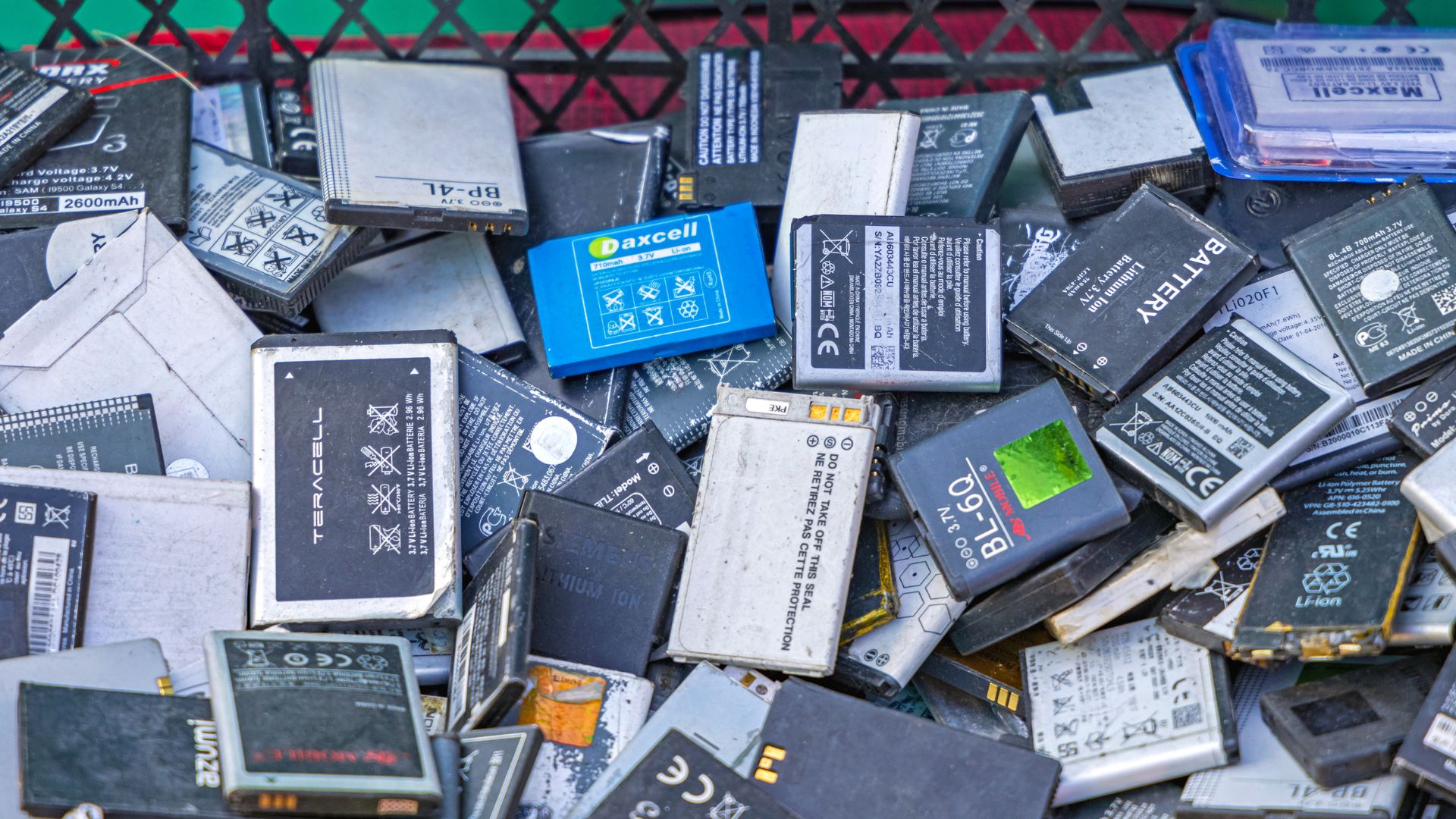
• New method converts old phones and paper industry waste into green battery tech Scientists have created a sustainable, cost-effective, and highly efficient solution that promotes a circular economy while supporting the transition to greener energy storage. • A new sustainable method turns discarded mobile phone batteries and industrial lignin into a powerhouse material for sodium-ion batteries. • It is a stunning example of circular economy innovation. • Rather than letting these materials sit in landfills or go up in smoke, the team from China is giving the waste a high-tech second life. • When tested as a sodium-ion battery anode, this composite of nickel-cobalt sulfides and lignin-derived carbon delivered electrochemical results. • The use of abundant waste materials may open the door to lower manufacturing costs and improved energy storage options for both electric vehicles and power grids.
Article Summaries:
- Scientists in China have developed a sustainable process that transforms discarded mobile‑phone batteries and lignin-a byproduct of the paper industry-into a high‑performance sodium‑ion battery anode. Using hydrothermal synthesis, the method extracts nickel and cobalt from old batteries and fuses them with lignin‑derived carbon, creating a composite of nickel‑cobalt sulfides and carbon. The resulting electrode delivers over 1,000 mAh g⁻¹ discharge capacity and retains strong performance at high current densities. By repurposing e‑waste and industrial byproducts, the approach offers a cost‑effective, circular‑economy route to greener energy storage for electric vehicles and grid applications.
Sources: