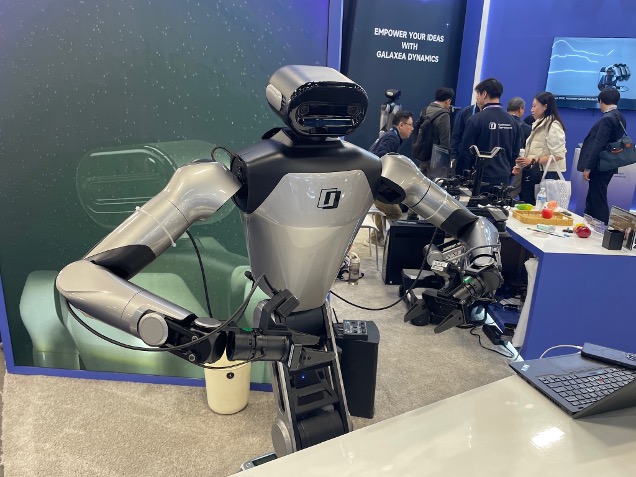
• The Consumer Electronics Show (CES) is one of the largest trade events in the world. • Every year, thousands of companies showcase their state-of-the-art technologies to over 100k attendees. • It brings together global industry leaders, startups, and media, and is used to launch products and signal future tech trends. • Henry Hickson, a Research Associate at the Hauert Lab, attended CES 2026. • In this article he reports on the highlights of the show, exploring how physical AI is moving from experimental labs into consumer technology, and what this shift reveals about the future of robotics, autonomy, and real-world deployment. • All photos and videos in this article are credited to Henry Hickson.
Article Summaries:
- At CES 2026, physical AI-embodied intelligence in robots-shifted from niche labs to mainstream consumer tech. The show highlighted a surge in humanoid robots, with companies like Booster offering child‑size educational bots sold on‑site for $10 k, and Unitree drawing crowds with acrobatic, remote‑controlled demos powered by advanced actuators and reinforcement learning. While many displays were not cutting‑edge by academic standards, they showcased manufacturability and consumer appeal. The event underscored a growing industry focus on bringing sophisticated robotics into everyday life, signaling a broader commercial push for autonomous, embodied AI.
Sources: