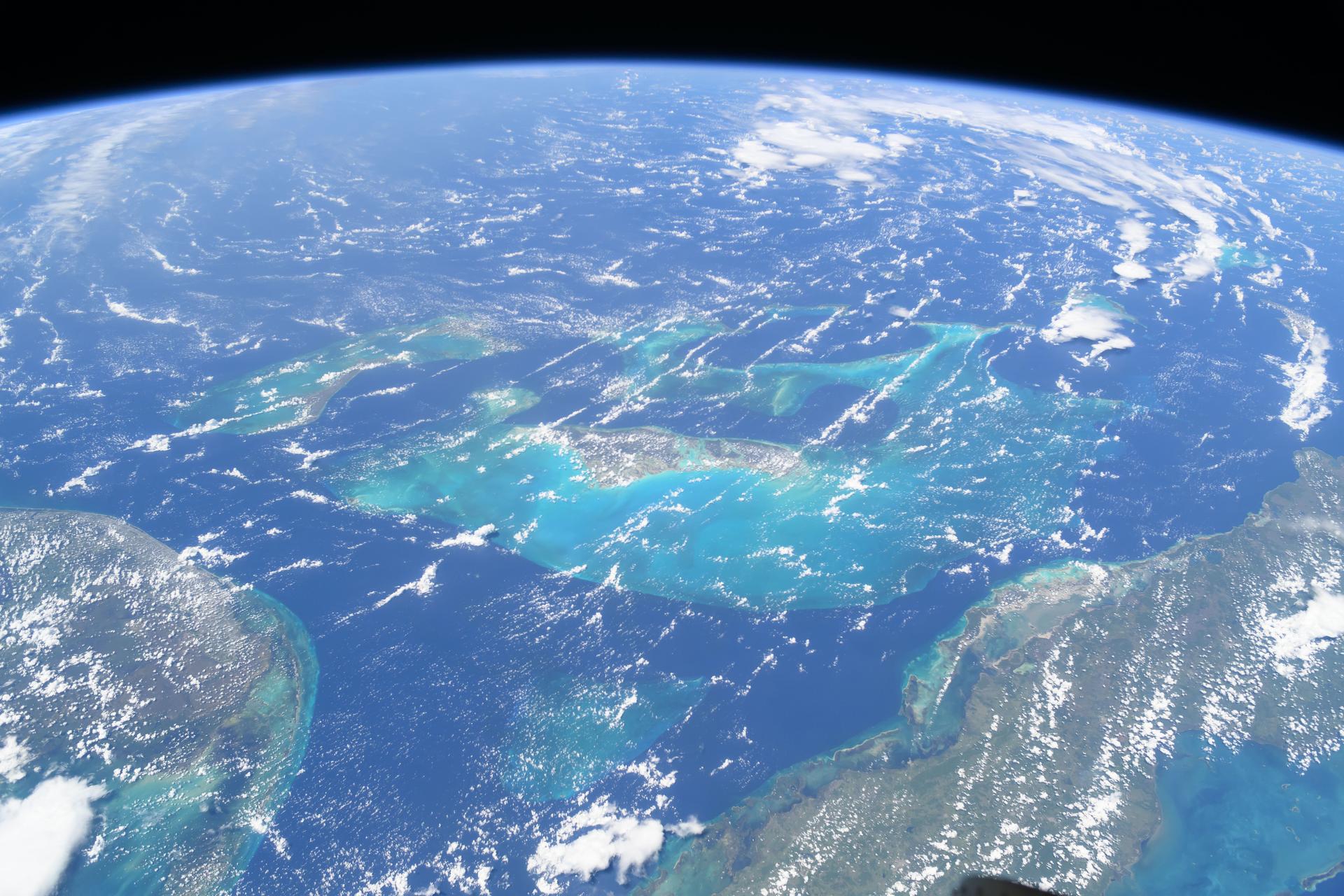
• NASA Analysis Shows La Niña Limited Sea Level Rise in 2025 This image of the Atlantic Ocean around Florida, the Bahamas, and Cuba was taken from the International Space Station in 2024. • Coastal areas are particularly vulnerable to sea level rise. • A NASA analysis shows that the global mean sea level rose 0.03 inches (0.08 centimeters) in 2025. • A mild La Niña caused greater rainfall over the Amazon basin, which offset rising sea levels due to record warming of Earth’s oceans. • The rise in the global mean sea level slowed in 2025 relative to the year before, an effect largely due to the La Niña conditions that persisted over most of the year. • According to a NASA analysis, the average height of the ocean increased last year by 0.03 inches (0.08 centimeters), down from 0.23 inches (0.59 centimeters) in 2024.
Article Summaries:
- NASA’s latest analysis shows that global sea‑level rise slowed sharply in 2025, largely because of a persistent La Niña. The average ocean height increased by only 0.03 inches (0.08 cm) in 2025, compared with 0.23 inches (0.59 cm) in 2024 and below the long‑term trend of 0.17 inches (0.44 cm) per year. La Niña’s heavy Amazon rainfall shifted water from the oceans to land, temporarily offsetting gains from glacier melt and ocean warming. Data from Sentinel‑6, GRACE‑FO and Argo were combined to quantify these opposing forces, indicating a lower‑than‑average rise that is expected to rebound once the excess Amazon water returns to the sea.
Sources: