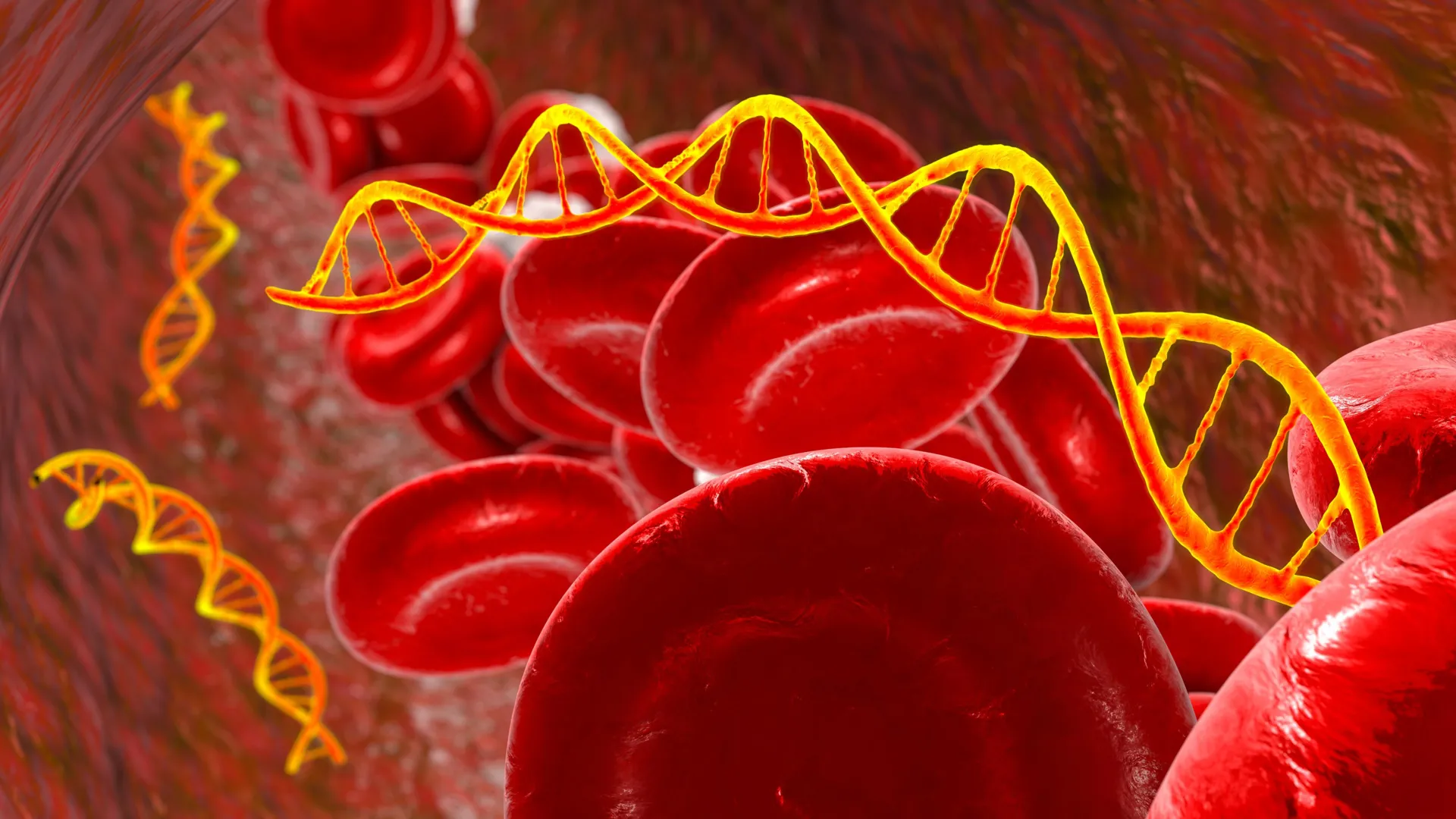
• Mysterious RNA led scientists to a hidden layer of cancer The journey began with T3p, a small RNA molecule detected in breast cancer but not in normal tissue. • When it was first described in 2018, it stood out as unusual. • That initial finding launched a six-year effort to systematically identify similar orphan non-coding RNAs (oncRNAs) across major cancer types, determine which ones actively contribute to disease, and test whether they could help monitor patients using simple blood tests. • In our newly published study, we describe how this work progressed from analyzing large cancer genome datasets to developing machine learning models, conducting large-scale functional experiments in mice, and ultimately confirming the clinical relevance of these RNAs in nearly 200 breast cancer patients using blood samples. • Cancer-Specific OncRNAs Are Widespread One of the first major discoveries was that this phenomenon was not limited to breast cancer. • By examining small RNA sequencing data from The Cancer Genome Atlas across 32 different cancer types, we identified approximately 260,000 cancer-specific small RNAs.
Sources: