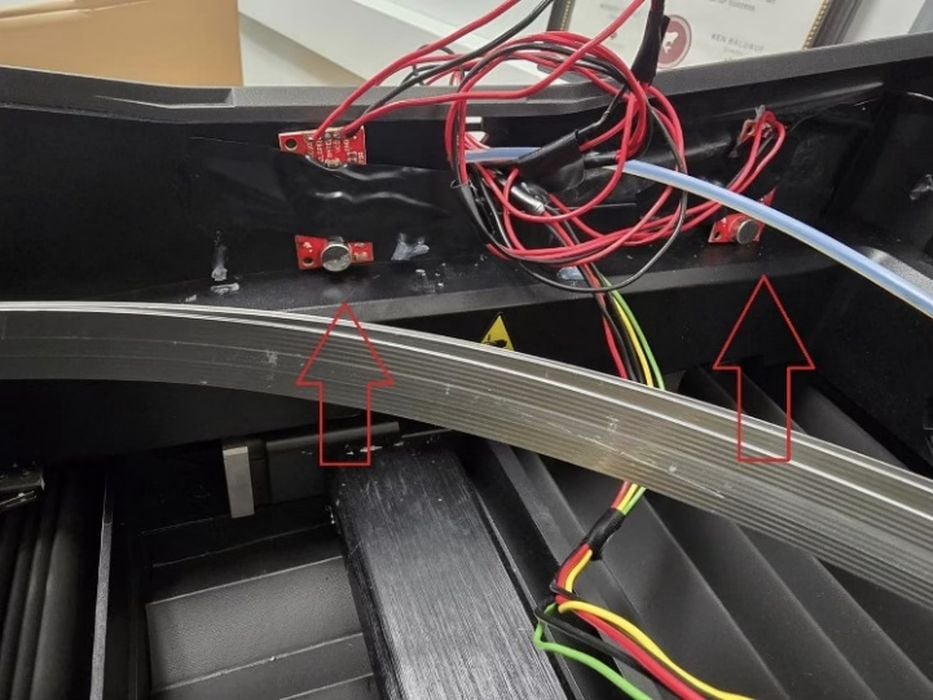
• Researchers have proposed a multimodal sensor fusion approach to AI-based fault detection in 3D printing, aiming to push AM monitoring closer to reliable, Industry 4.0 operation. • In-process quality assurance has been a persistent bottleneck across additive. • Most current offerings rely on a single signal - a camera for visual anomaly detection, a thermistor or pyrometer for temperature drift, or a microphone for extrusion clicks - and each alone tends to miss subtle defects or trigger false alarms. • As print farms scale and metal systems add more lasers, the cost of undetected errors rises alongside the human effort needed to watch builds. • Multimodal sensor fusion - combining feeds like machine vision, thermal signals, acoustic emission, vibration, and drive current - is a well-known tactic in robotics and autonomous systems. • Applied to AM, it promises complementary coverage: a thermal spike that is borderline could be confirmed by a change in acoustic signature, while a vision occlusion might be rescued by motion or current anomalies.
Article Summaries:
- Researchers have proposed a multimodal sensor fusion approach to AI-based fault detection in 3D printing, aiming to push AM monitoring closer to reliable, Industry 4.0 operation. In-process quality assurance has been a persistent bottleneck across additive. Most current offerings rely on a single signal - a camera for visual anomaly detection, a thermistor or pyrometer for temperature drift, or a microphone for extrusion clicks - and each alone tends to miss subtle defects or trigger false alarms. As print farms scale and metal systems add more lasers, the cost of undetected errors rises along
Sources:
- https://www.fabbaloo.com/news/multimodal-ai-sensor-fusion-targets-3d-print-faults (Latest source article published: 2026-02-25 09:04 UTC)