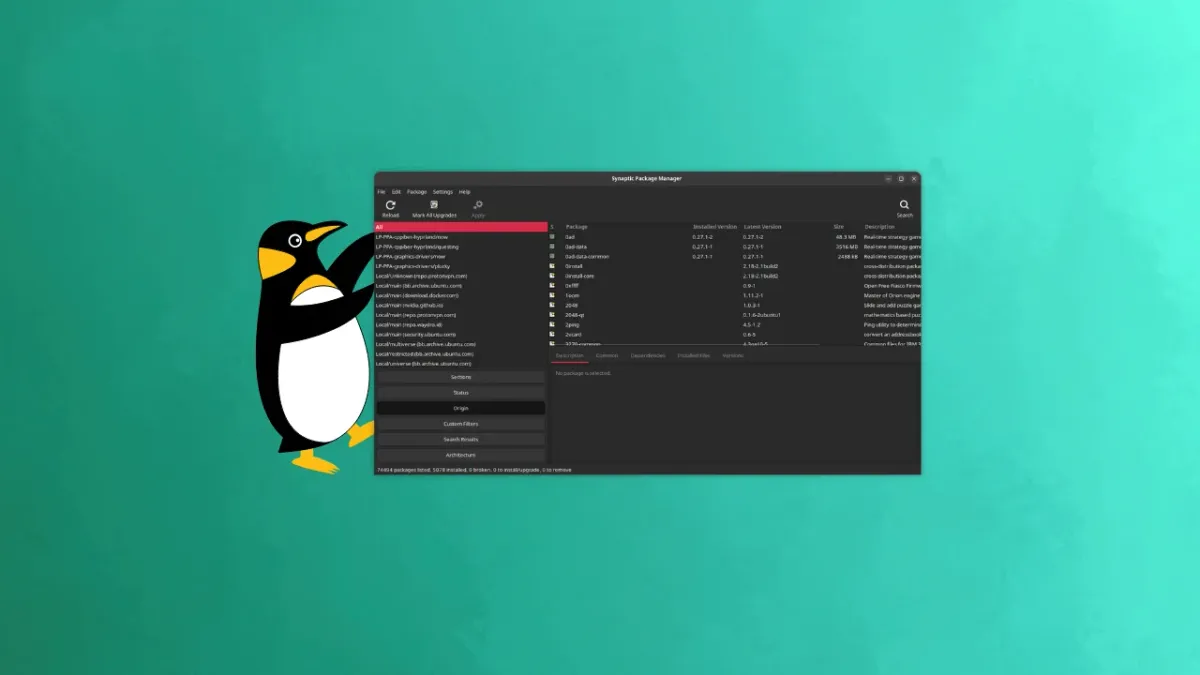
• Desktop Linux is in a better place than it used to be. • App stores have made software discovery much simpler, and it’s become normal to install an app without even needing to know what a repository is. • We can grab almost any app in seconds (or minutes, depending on your connection), but that convenience comes with a trade-off. • We’ve lost some of the fine-grained control that used to be standard on the Linux desktop. • Which leads to the bigger question: Is it time for a new era of Synaptic-style package managers? • What made synaptic (and the like) special Most “app stores” focus on the application experience: search, install, remove, update.
Article Summaries:
- Linux desktop users now enjoy streamlined app discovery through app stores, but this convenience has reduced fine‑grained control over the underlying package system. Traditional tools such as Synaptic and YaST offered deeper visibility-dependency inspection, cleanup of orphaned packages, version locking, and bulk installs-yet were built on older security assumptions that allow privileged graphical sessions. The article argues that while app stores meet everyday needs, the Linux system layer still requires robust tooling for libraries, drivers, and utilities. It questions whether a modern, security‑aware Synaptic‑style package manager is needed to bridge the gap between user‑friendly app stores and system‑level package management.
- Desktop Linux is in a better place than it used to be. App stores have made software discovery much simpler, and it’s become normal to install an app without even needing to know what a repository is. We can grab almost any app in seconds (or minutes, depending on your connection), but that convenience comes with a trade-off. We’ve lost some of the fine-grained control that used to be standard on the Linux desktop. Which leads to the bigger question: Is it time for a new era of Synaptic-style package managers? What made synaptic (and the like) special Most “app stores” focus on the application
Sources:
- https://itsfoss.com/modern-synaptic-style-package-manager/ (Latest source article published: 2026-02-24 10:56 UTC)