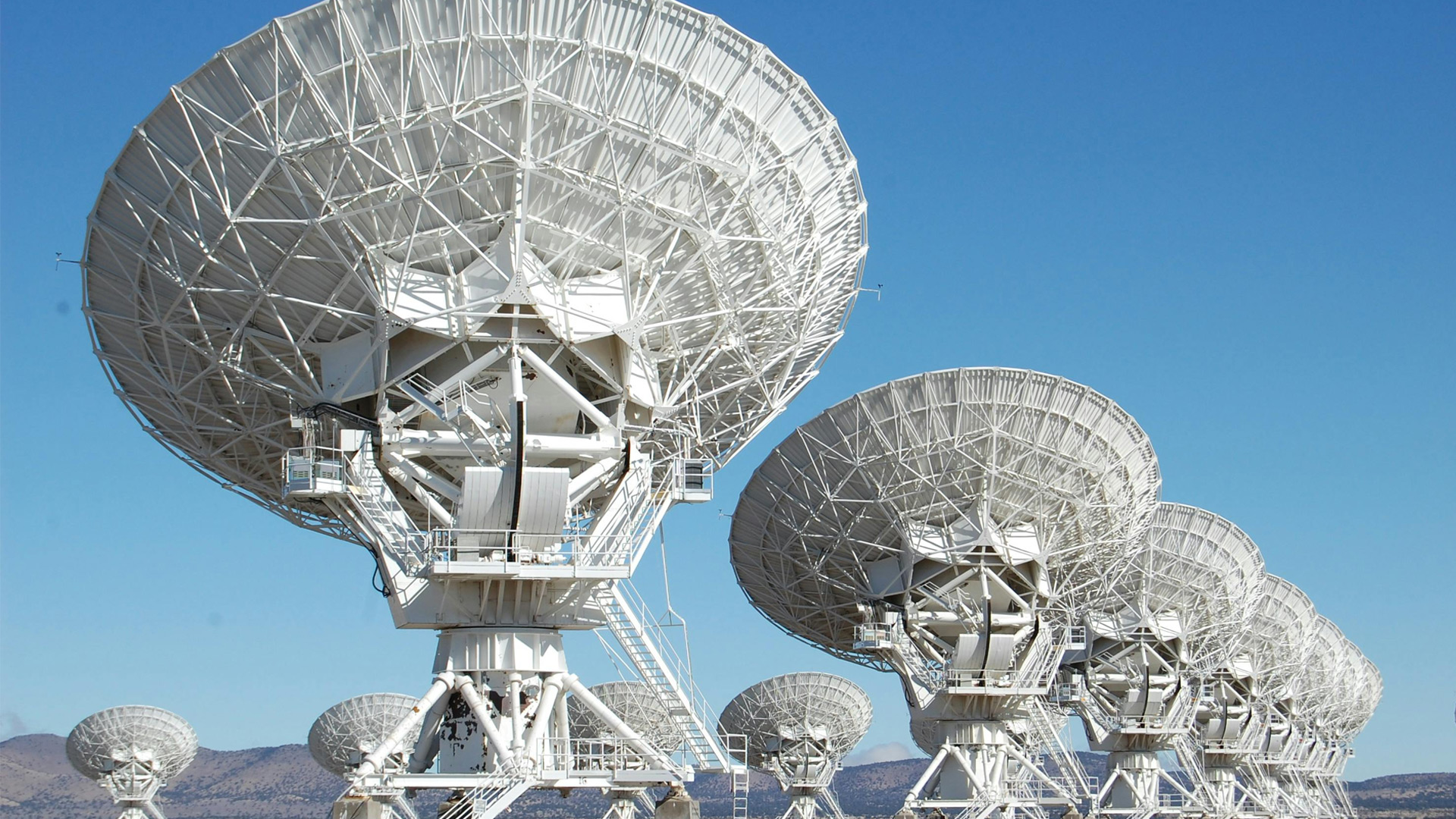
• Linked by entanglement, small telescopes may see like one colossal mirror Instead of treating light simply as waves forming an image, the researchers treat it as a quantum carrier of information. • Space rarely gives up its secrets easily. • For instance, what looks like a single bright dot may actually be two stars orbiting each other. • A flicker may be a distant planet hidden in the overwhelming light of its parent star. • So what’s the best way to see such cosmic details The usual solution has been straightforward - make telescopes bigger. • A wider mirror collects more information and reveals finer detail.
Article Summaries:
- NASA’s Goddard Space Flight Center, the University of Maryland, and the University of Arizona have proposed a new way to combine data from separate small telescopes without physically bringing their light together. By treating starlight as a quantum carrier of information and using spatial‑mode sorting to separate its subtle patterns, the team suggests that quantum entanglement could merge the information from distant telescopes. This approach would bypass the fragile long‑distance beam transport that limits current long‑baseline interferometry, potentially allowing a network of modest telescopes to achieve the resolution of a single colossal mirror.
Sources: