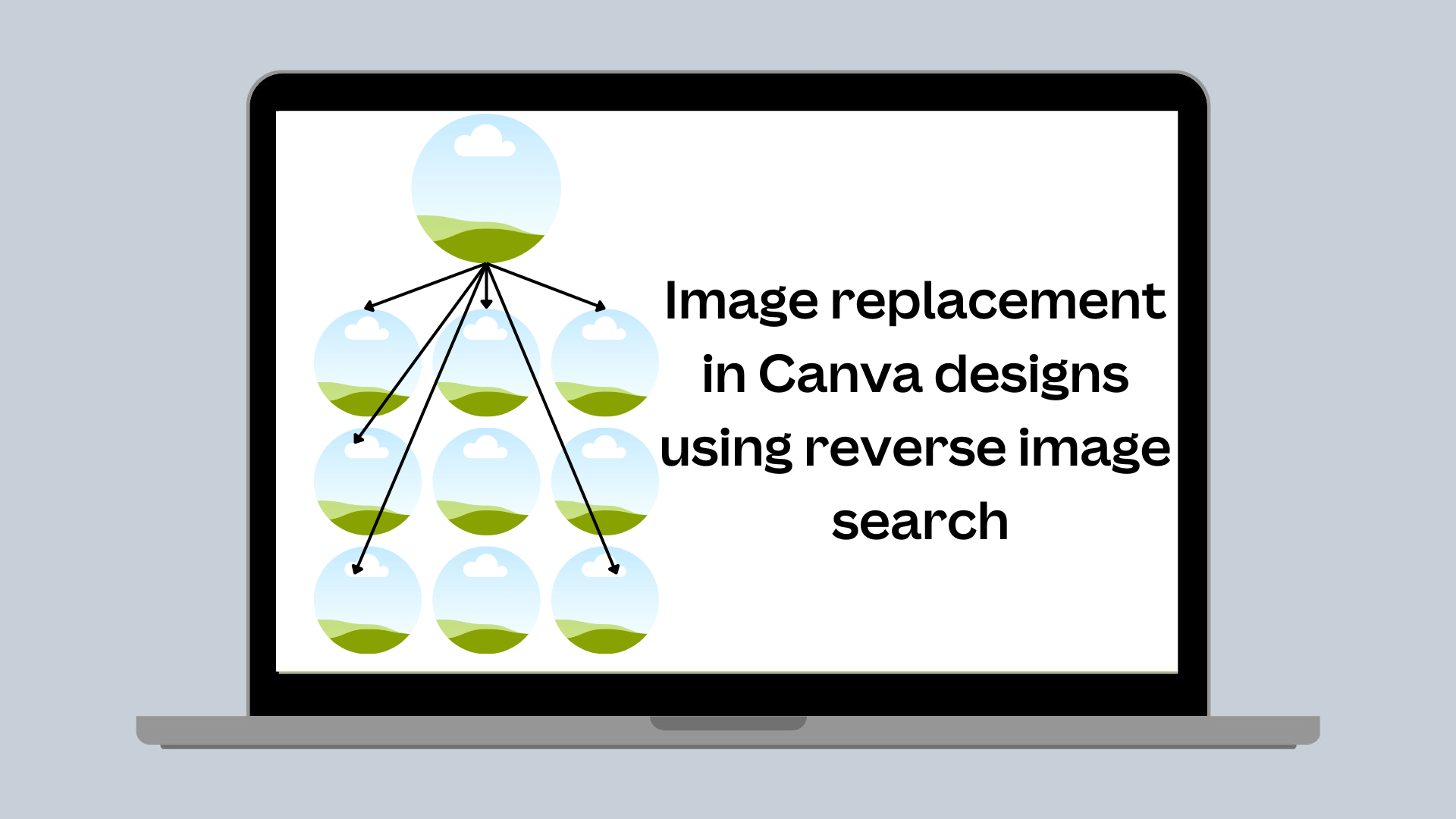
• Canva automates image replacement using reverse image search to maintain library quality. • The system models similarity hierarchically: subject, color, positioning, background, emotion, ratio. • Aspect ratio matching is critical for seamless template integration. • Manual replacement of expired third‑party media is labor‑intensive, prompting automation. • Comparative evaluation of embedding models drives a scalable, high‑accuracy replacement engine. • The solution ensures consistent design aesthetics while reducing manual curation effort.
Article Summaries:
- Machine Learning Image replacement in Canva designs using reverse image search Qualitative comparison of image embedding models to power a scalable similar-image replacement system for Canva designs. Maintaining a high-quality library is key to creating a seamless design experience for our users. As part of the quality process, swapping an image in a template with another image sometimes becomes necessary. For example, if a third-party media library partnership expires, anywhere we’ve used their content in the library needs to be replaced. As expected, this is a lengthy process involving exten
- Canva is building a scalable reverse‑image search system to automate the replacement of images in its design templates. The new solution uses image‑embedding models to rank candidates by visual similarity, prioritizing subject, color, tone, framing, background, and aspect ratio. It must search over 150 million images, stay current with library changes, filter by metadata, and return IP‑safe alternatives. Existing recommendation, perceptual‑hash, and text‑to‑image engines were unsuitable because they prioritize popularity, detect duplicates, or rely on metadata alone. The project aims to reduce manual effort when third‑party media licenses expire or content needs updating.
Sources: