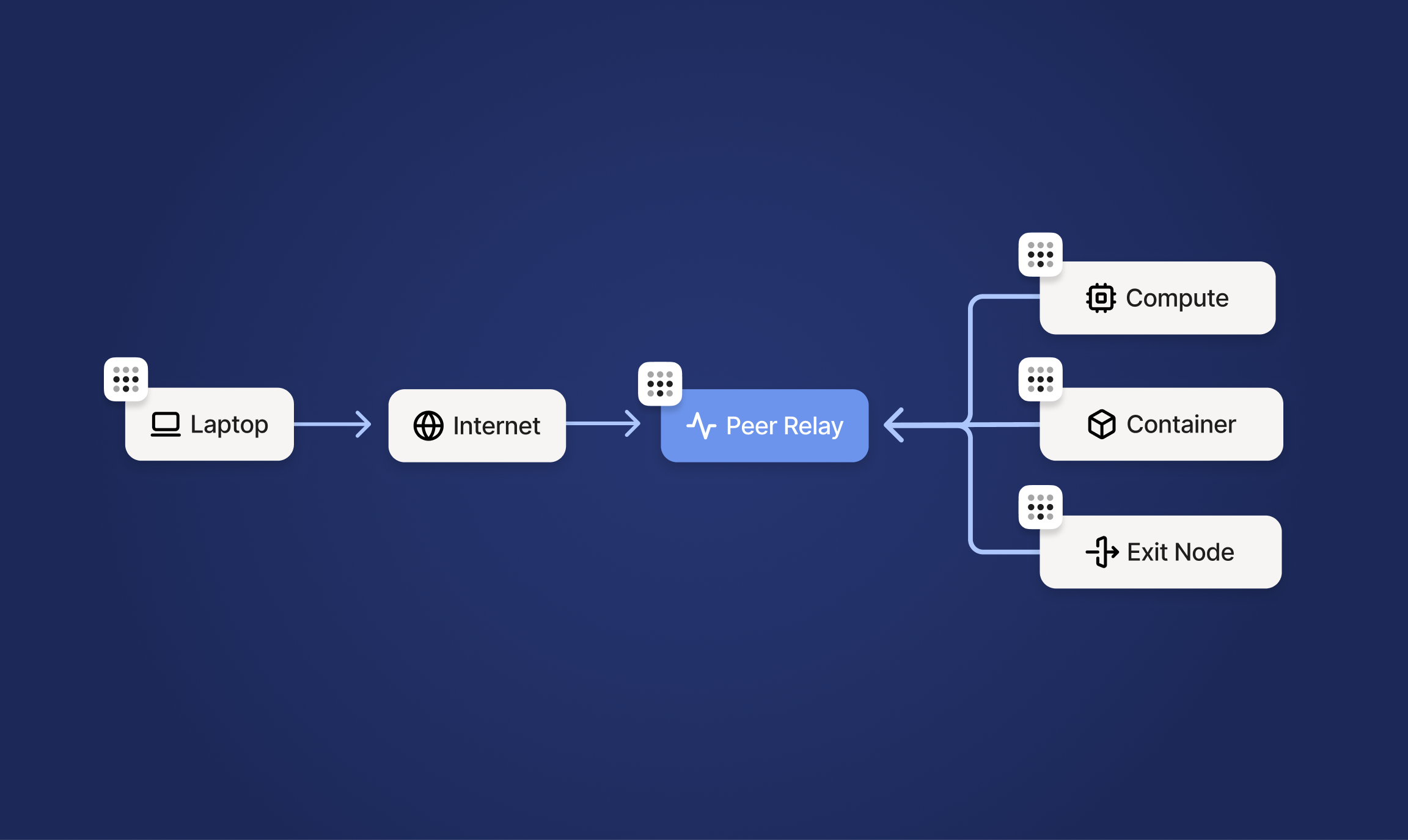
• Traveling engineer needed remote access to North American homelab via Tailscale. • Default Tailscale NAT traversal fails over restrictive networks, falling back to shared DERP relays. • DERP servers prioritize availability, not throughput, causing throttled cross‑ocean traffic (~2.2 Mbps). • iperf3 tests confirmed severe bandwidth limits when routing through public DERP nodes. • Switching to Tailscale Peer Relays (private, dedicated) delivered a 12.5× performance boost. • Peer Relays provide direct, high‑throughput paths, eliminating shared relay bottlenecks.
Article Summaries:
- A software engineer traveling to India found that accessing his North‑American Kubernetes clusters over Tailscale’s default DERP relay network yielded only ~2 Mbps, far below his ISP’s 30‑40 Mbps international speeds. The slowdown was caused by aggressive carrier‑grade NAT (CGNAT) and symmetric NAT deployments common in Indian residential networks, which break Tailscale’s UDP hole‑punching and force traffic through shared DERP servers. By switching to Tailscale’s Peer Relay feature-dedicated, high‑throughput relays-the engineer achieved a 12.5‑fold increase in throughput, restoring reliable remote access during his holiday.
Sources: