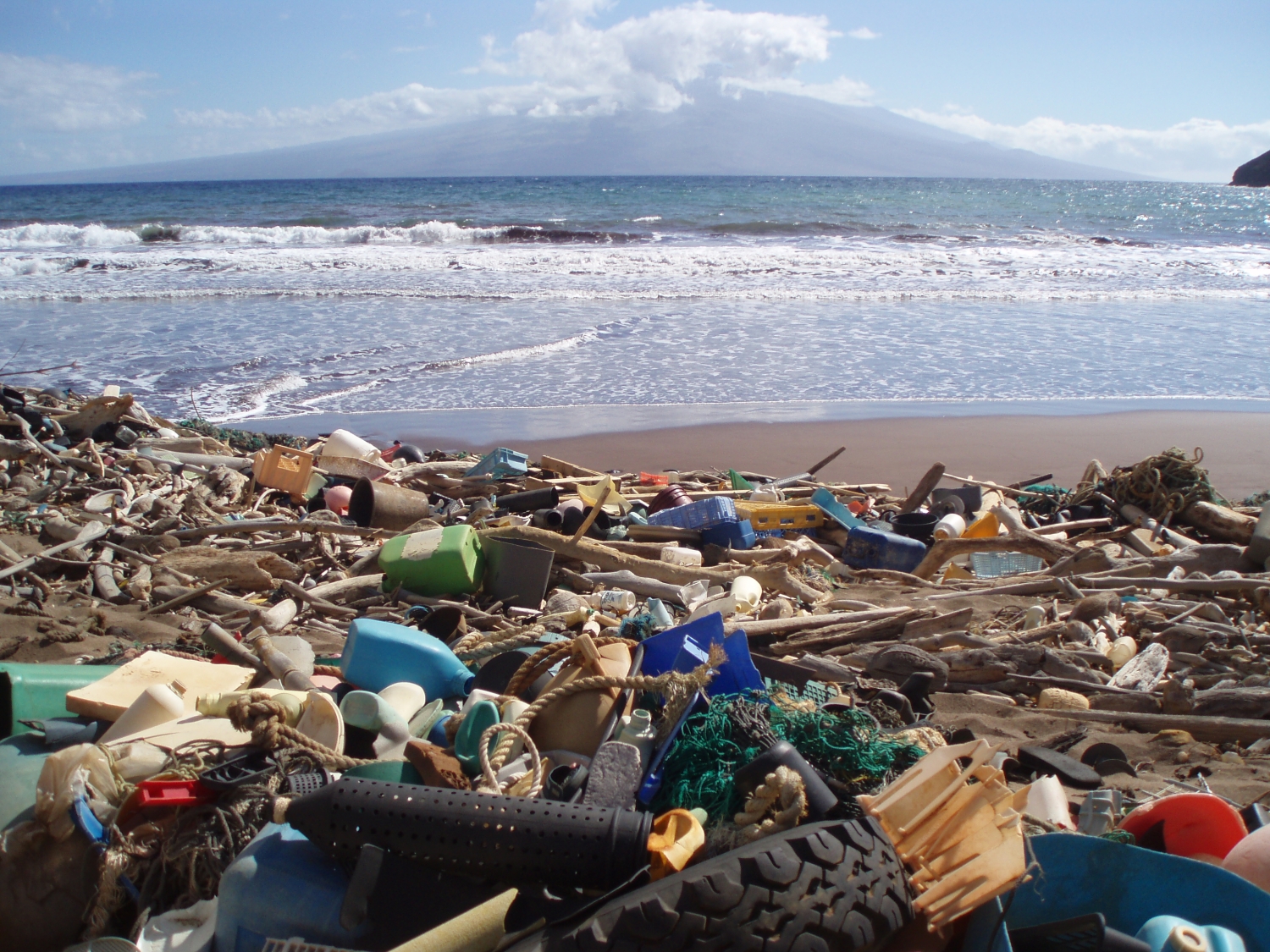
• NASA’s EMIT sensor on the ISS now detects plastic pollution on land, inspiring ocean debris tracking. • A new library of 25,000 molecular fingerprints catalogs 19 polymer types and other debris. • Space‑based sensors can identify plastic “fingerprints” in the sea, overcoming current detection challenges. • Mapping coastal hotspots could curb the 8 million tons of plastic entering oceans each year. • EMIT’s mineral‑mapping data also advances agriculture, water science, and climate research. • Future EMIT‑like instruments may provide real‑time monitoring of marine litter from orbit.
Article Summaries:
- NASA’s Earth Surface Mineral Dust Source Investigation (EMIT) sensor aboard the International Space Station has, for the first time, detected plastic pollution on land. Building on this success, a NASA intern and collaborators have compiled an open‑source library of nearly 25,000 molecular “fingerprints” from marine debris-including 19 polymer types-to standardize spectral signatures. The goal is to develop algorithms that could later identify plastic in seawater, where infrared absorption hampers detection. By mapping coastal pollution hotspots, the technology aims to reduce the 8 million tons of plastic that enter oceans annually, offering a new tool for marine debris monitoring.
Sources: