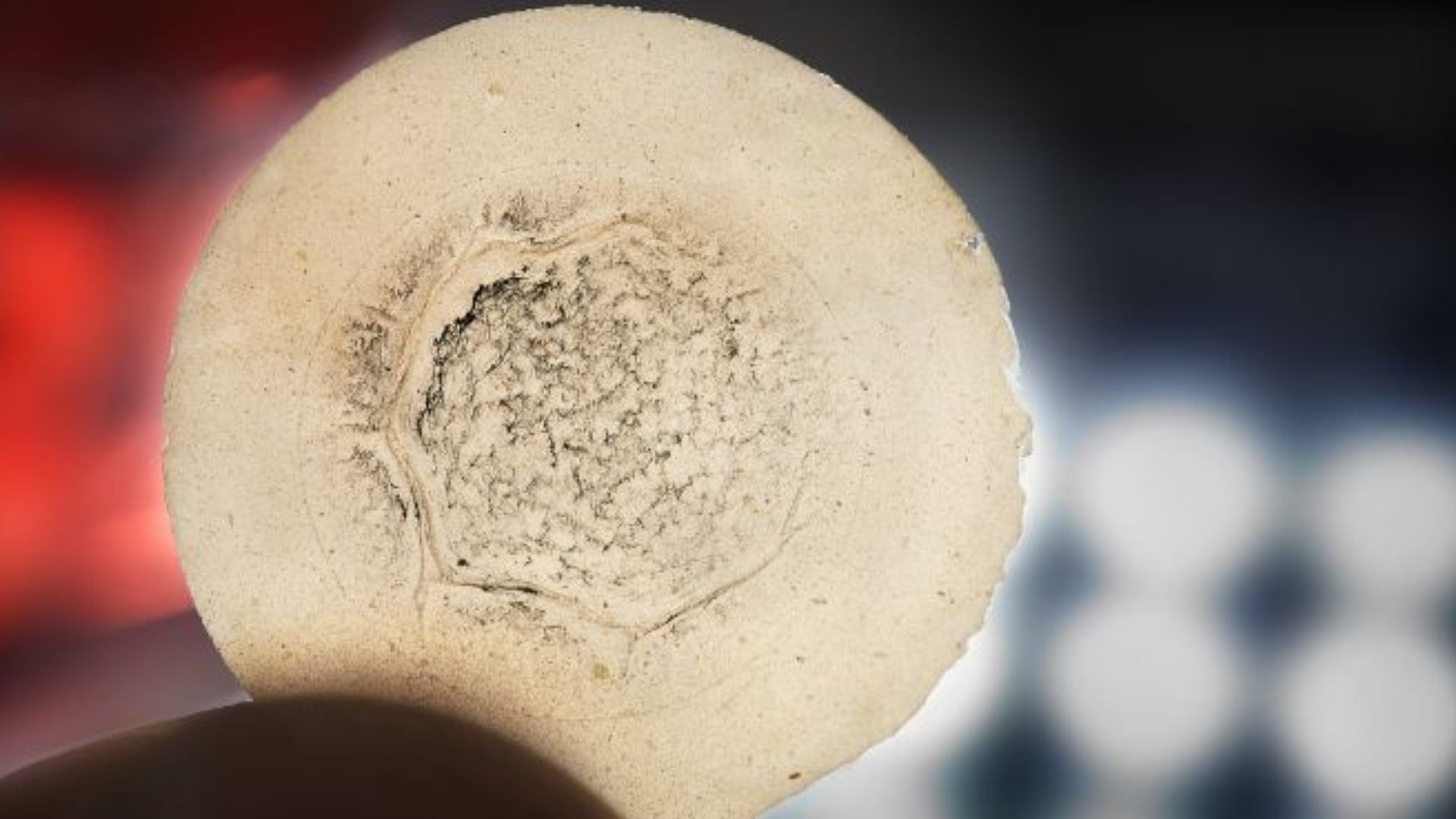
• First-of-its-kind nanocellulose filters rare earth metals, reduces toxic waste Modified cellulose isolates dysprosium from rare earth mixtures, offering greener recovery method. • Researchers at Penn State have developed a plant-based material that can selectively recover dysprosium, a critical rare earth element used in semiconductors, electric motors, and generators. • The team engineered a modified form of cellulose that can separate dysprosium from other similar rare earth metals in a cleaner and potentially more scalable way. • Rare earth elements are essential to modern electronics, magnets, and energy systems. • But separating them from one another is difficult and often environmentally damaging. • Current commercial processes rely heavily on chemical solvents and energy-intensive systems.
Article Summaries:
- First-of-its-kind nanocellulose filters rare earth metals, reduces toxic waste Modified cellulose isolates dysprosium from rare earth mixtures, offering greener recovery method. Researchers at Penn State have developed a plant-based material that can selectively recover dysprosium, a critical rare earth element used in semiconductors, electric motors, and generators. The team engineered a modified form of cellulose that can separate dysprosium from other similar rare earth metals in a cleaner and potentially more scalable way. Rare earth elements are essential to modern electronics, magnets, a
Sources: