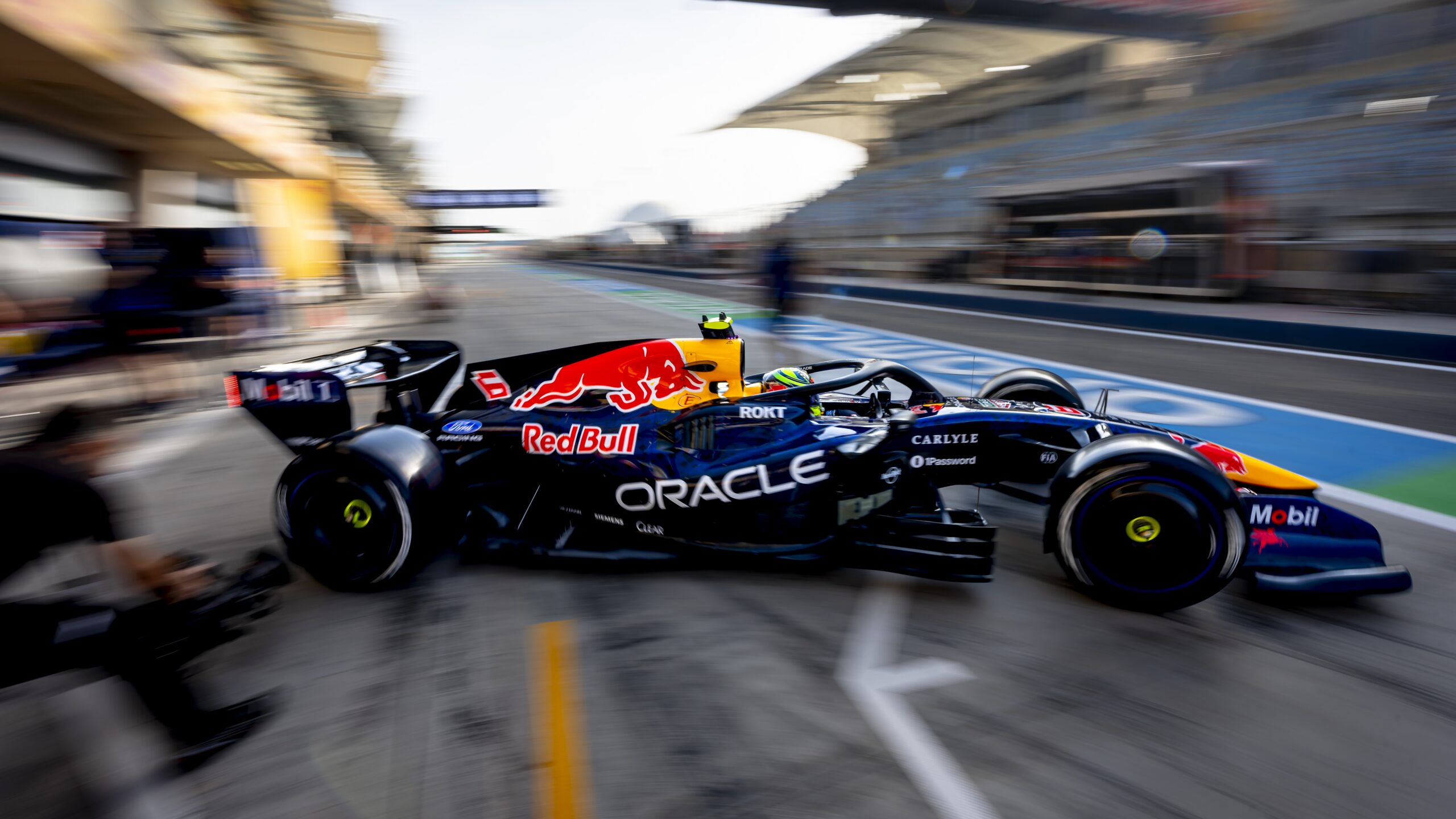
• It’s just two weeks until F1 gets underway in Australia, and teams are currently in Bahrain, midway through their third and final preseason test. • The 2026 season promises to bewildly differentfrom those of the past few years, with all-new cars, engines, hybrid systems, and sustainable fuels entering the mix and shaking up the established order. • You shouldn’t read too much into times from preseason testing. • The cars don’t have to conform to the in-season rules as teams test new components or fit-test rigs; for example, glowing brake discs could once again be seen on some cars that weren’t running wheel covers at an earlier test, something we’re unlikely to see during actual races. • You also don’t know how much fuel-and therefore extra weight-anyone is carrying. • In the past, some teams have even made headlines by running too light to set more competitive lap times in an effort to impress potential sponsors.
Article Summaries:
- F1 preseason tests in Bahrain are underway as the 2026 season approaches, with teams testing new cars that will feature a complete overhaul of power units, hybrid systems, and sustainable fuels. The new 1.6‑litre turbocharged V6 will no longer use the MGU‑H waste‑energy system; instead, the MGU‑K will be more powerful and paired with a 4 MJ (1.1 kWh) battery pack. While lap times from the tests are not fully indicative of race performance-teams run different fuel loads and test setups-drivers and engineers are using the sessions to learn the behaviour of the new components. The 2026 grid is set to look and run markedly different from the past decade.
Sources: