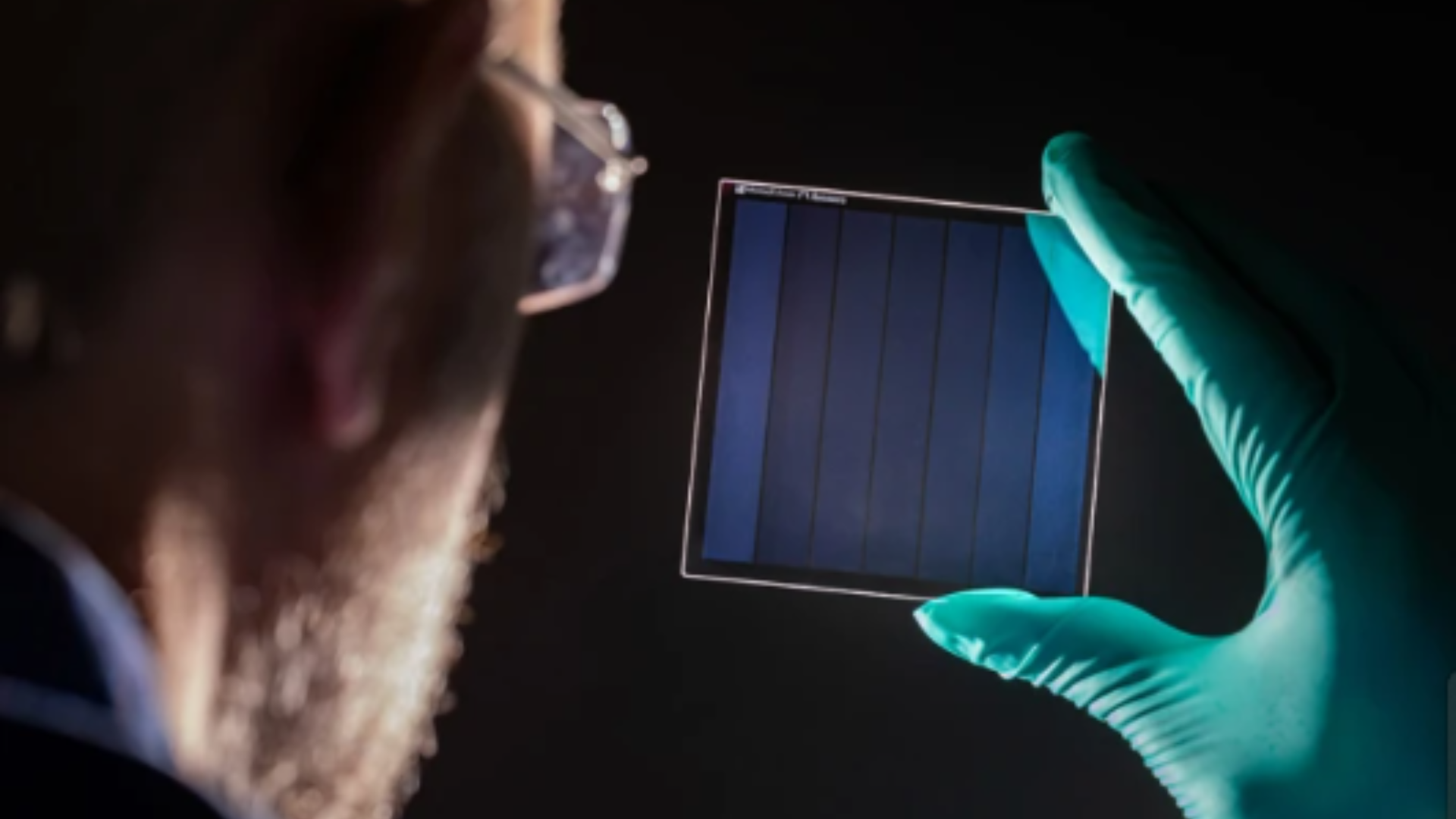
• Microsoft’s ‘glass plates’ can store data for 10,000 years The technology, known as Project Silica, tackles the growing problem of “bit rot,” which is the slow decay of magnetic tapes and hard drives used in data centers worldwide. • Researchers at Microsoft have developed a method to store massive amounts of digital information inside small plates of glass, a breakthrough that could preserve the world’s data for more than 10,000 years. • Solving the ‘bit rot’ crisis The technology, known as Project Silica, tackles the growing problem of “bit rot,” which is the slow decay of magnetic tapes and hard drives used in data centers worldwide. • Unlike traditional storage that requires replacement every five to ten years, this new glass-based system is designed to last for thousands of years without power or upkeep. • Science of laser-etched glass According to a study published in the journal Nature, the process uses a high-speed femtosecond laser to create microscopic permanent changes, called voxels, within a thin pane of fused silica or borosilicate glass-the same material used in Pyrex kitchenware. • The team at Microsoft Research Cambridge claim they can store up to 4.84 terabytes of data on a piece of glass roughly 12 square centimeters and 2 millimeters thick.
Article Summaries:
- Microsoft’s Project Silica uses femtosecond lasers to etch microscopic “voxels” inside thin panes of fused silica, creating a glass‑based storage medium that can hold up to 4.84 TB on a 12 cm², 2 mm thick plate. The data is encoded in hundreds of layers, giving it a projected lifespan of 10,000 years without power or maintenance, and resistance to heat, water and electromagnetic pulses. Retrieval requires an automated microscope and machine‑learning decoding. While the technology promises durable, low‑maintenance storage for large‑scale data centers and archives, it is not yet practical for consumer use and will need sustained industrial support to remain readable.
Sources: