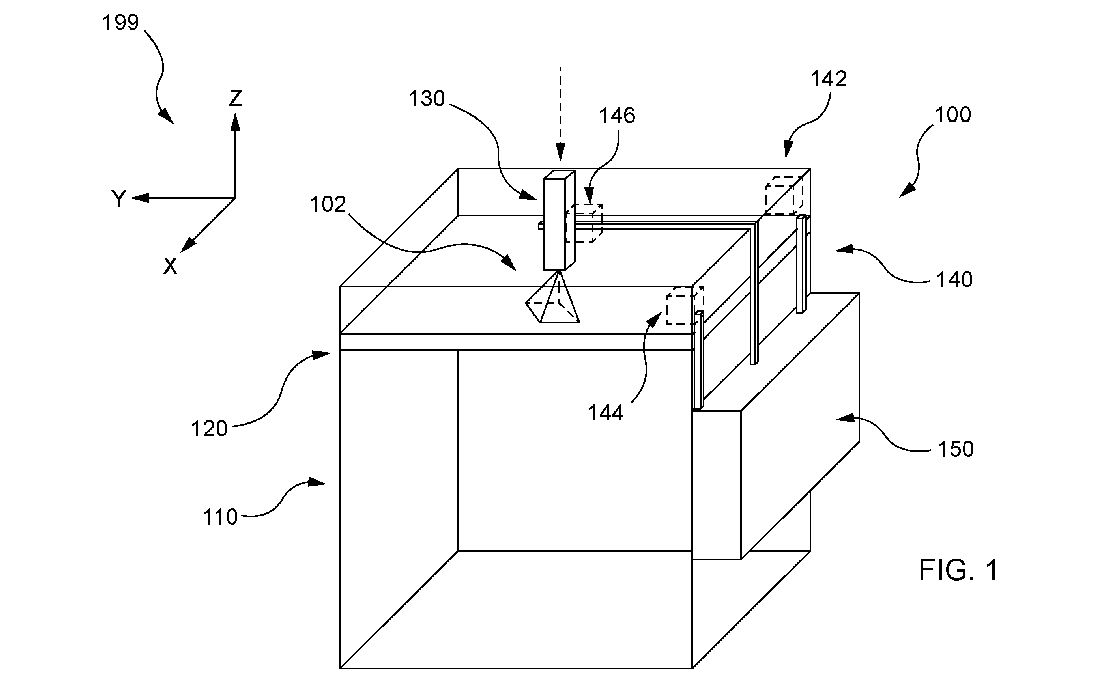
• Dyze Design has filed a patent application that reads like a blueprint for turning a 3D printer into a data driven, self aware machine tool. • Most desktop FFF systems still run a familiar split brain: a Linux single board computer (SBC) handles files and UI, while a microcontroller unit (MCU) executes real time motion. • That architecture works, but it also creates two issues for anyone looking for increased throughput: delayed reaction time when command buffers get long, and limited visibility into what actually happened during the build beyond a few temperatures indications and a log file. • Industrial platforms solve this with expensive motion controllers, tightly integrated servo drives, and deep telemetry. • The Dyze Design filing is effectively an attempt to bring some of that discipline to modular AM hardware, while keeping the cost and expandability closer to the maker ecosystem. • A Control Stack Built Around Priorities And Feedback Dyze Design’s main concept is to formalize communication between processors into separate channels with explicit priorities.
Article Summaries:
- Dyze Design has filed a patent application that reads like a blueprint for turning a 3D printer into a data driven, self aware machine tool. Most desktop FFF systems still run a familiar split brain: a Linux single board computer (SBC) handles files and UI, while a microcontroller unit (MCU) executes real time motion. That architecture works, but it also creates two issues for anyone looking for increased throughput: delayed reaction time when command buffers get long, and limited visibility into what actually happened during the build beyond a few temperatures indications and a log file. Indu
Sources:
- https://www.fabbaloo.com/news/dyze-design-patents-modular-motion-control-for-am (Latest source article published: 2026-02-24 16:07 UTC)