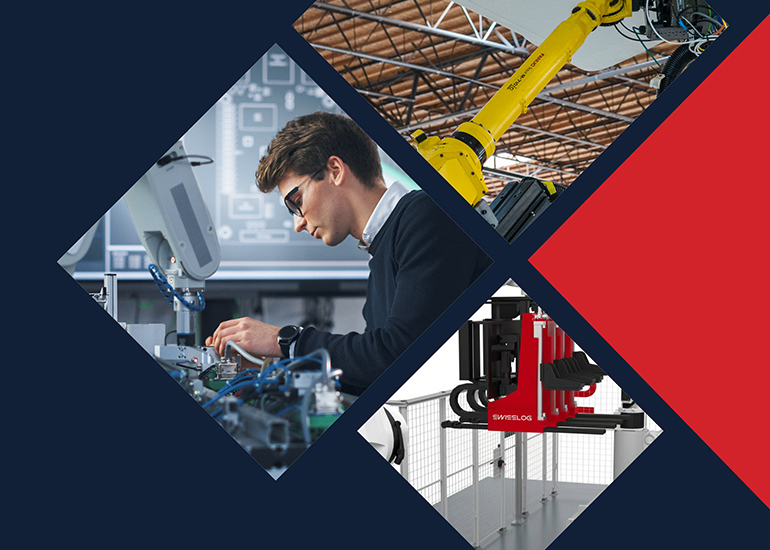
• Design for manufacturing, or DFM, is a key part of bringing a robot from an idea to a prototype and ultimately to a finished, commercially available product • Developers must consider cost, complexity, and materials as they scale up from tests and pilots • Startups that rush their products to market without proper DFM risk unsatisfactory performance or costly re-engineering later on • Fortunately, there are best practices and tools to help • Innovators, startups, and the investors that support them must understand which components are standardized and which should be part of a company’s intellectual property • In this free report,The Robot Reportlooks at the tradeoffs and opportunities in using DFM to prepare for mass production
Article Summaries:
- Design for manufacturing, or DFM, is a key part of bringing a robot from an idea to a prototype and ultimately to a finished, commercially available product. Developers must consider cost, complexity, and materials as they scale up from tests and pilots. Startups that rush their products to market without proper DFM risk unsatisfactory performance or costly re-engineering later on. Fortunately, there are best practices and tools to help. Innovators, startups, and the investors that support them must understand which components are standardized and which should be part of a company’s intellectu
Sources:
- https://www.therobotreport.com/design-for-manufacturing/ (Latest source article published: 2026-02-25 14:51 UTC)