• There’s a new 3D-printed car. • 3D-printed vehicles have been appearing and disappearing for many years. • The world’s first 3D-printed car was theexperimental Urbee, made in Canada in 2011 with the help of Stratasys. • Since then, there have been several more attempts at building 3D-printed cars, perhaps most notably by Local Motors. • However, after much promotion,Local Motors closed downback in 2022. • Now there is another entrant - again from Canada.
Article Summaries:
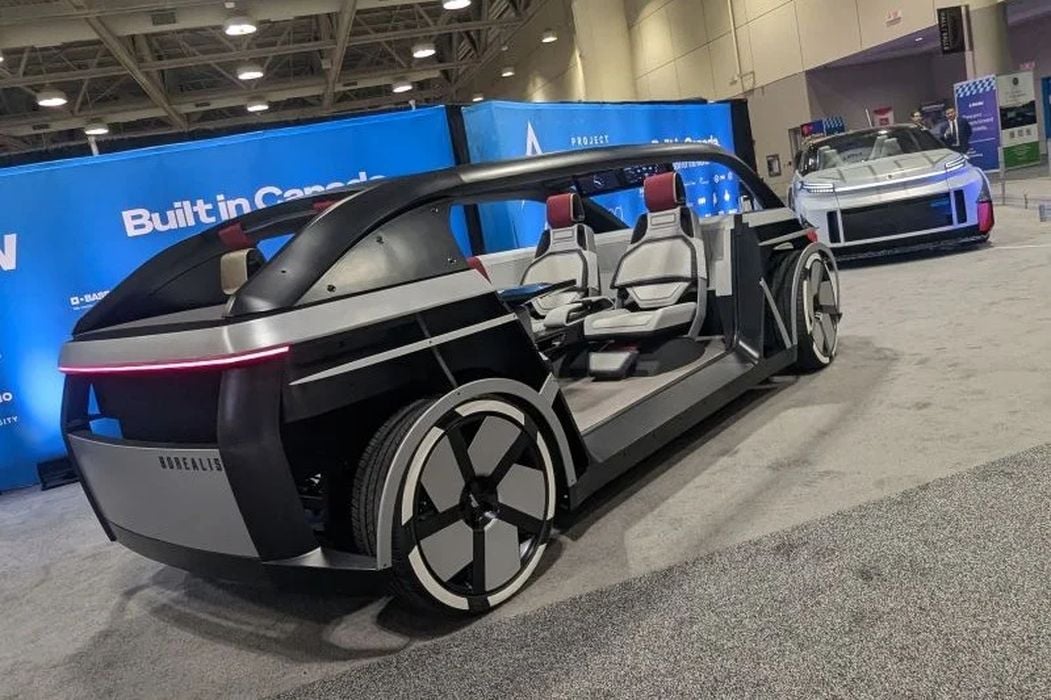
- Canadian Automotive Parts Manufacturers Association (APMA) showcased two 3D‑printed electric SUV demonstrators-Project Arrow Vector and Project Arrow Borealis-at a recent trade show. The vehicles, built under Canada’s Project Arrow initiative, feature a 550 km range, level‑3 autonomous capability, and a center‑facing seating layout typical of self‑driving cars. Unlike earlier attempts, the parts are designed for streamlined assembly, incorporating pre‑wired conduits and connectors. While the models remain prototypes, the display aims to highlight suppliers’ advanced manufacturing skills and potentially stimulate future EV 3D‑printing projects.
- There’s a new 3D-printed car. 3D-printed vehicles have been appearing and disappearing for many years. The world’s first 3D-printed car was the experimental Urbee, made in Canada in 2011 with the help of Stratasys. Since then, there have been several more attempts at building 3D-printed cars, perhaps most notably by Local Motors. However, after much promotion, Local Motors closed down back in 2022. Now there is another entrant - again from Canada. It’s coming out of something called “Project Arrow”. That’s an initiative intended to promote advanced automotive manufacturing in that country. Thi
Sources:
- https://www.fabbaloo.com/news/canadian-apma-unveils-two-3d-printed-electric-suv-demonstrators-under-project-arrow-initiative (Latest source article published: 2026-02-23 14:32 UTC)