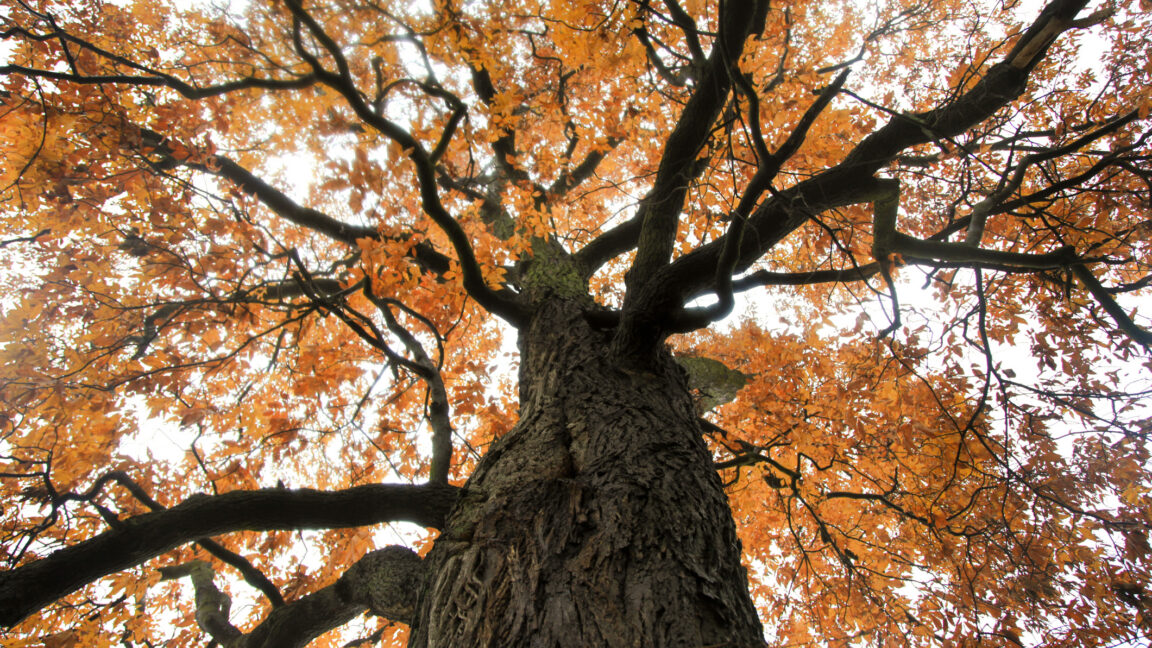
• American chestnut nearly wiped out by two Asian fungal pathogens, killing ~3 billion trees. • Fungus kills saplings before they can seed, leaving chestnut functionally extinct in Appalachia. • Resistant trees survive in drier western North America and in LSACs (large surviving American chestnuts). • Researchers use genomics and exhaustive testing to identify best restoration pathways. • Multiple strategies: breeding resistant hybrids, leveraging virus that attacks blight fungus, planting outside native range. • Long generation times challenge rapid recovery, but progress shows potential to reintroduce chestnut to forests. • Restoration efforts aim to restore ecological role and biodiversity of Appalachian forests.
Article Summaries:
- American chestnut trees, once a dominant species in Appalachian forests, were devastated by two Asian fungi that killed an estimated 3 billion trees. Although the species is functionally extinct, it is not gone; saplings still sprout from stumps, and some trees survive in drier western regions and in isolated “large surviving American chestnuts” (LSACs) that show natural resistance. Researchers in a recent Science issue are applying genomic tools and extensive testing to identify and breed these resistant individuals. The goal is to develop a strain that can withstand blight and root‑rot and reestablish the chestnut in its native range, restoring its ecological role.
Sources: