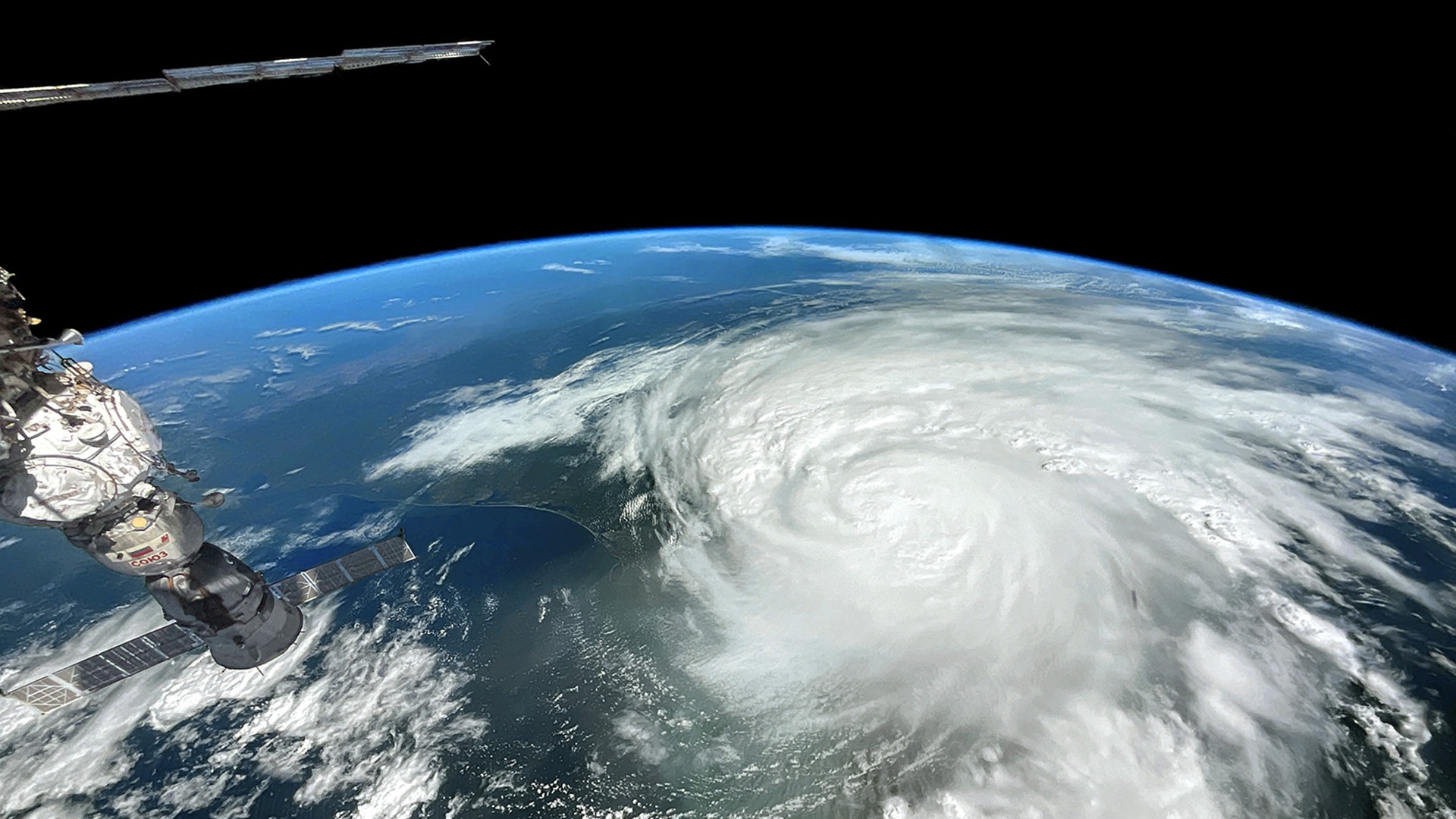
• Autonomous robots revealed a hidden phytoplankton bloom beneath Gulf waters after Hurricane Idalia. • Satellites detected surface bloom, but Argo float captured deeper surge 20‑50 meters deep. • Storm intensified cyclonic eddy, upwelling nutrient‑rich water, fueling unseen bloom. • Mississippi River plume created stratified surface layer, spreading surface chlorophyll laterally. • Combined satellite, saildrone, and BGC‑Argo float provided 3D view of hurricane‑driven productivity changes. • Findings highlight importance of autonomous ocean instruments for comprehensive marine ecosystem monitoring.
Article Summaries:
- Autonomous ocean robots revealed a previously unseen phytoplankton bloom in the Gulf of Mexico after Hurricane Idalia reshaped the region’s chemistry. While satellites detected a surface chlorophyll surge, a Biogeochemical Argo float and a surface saildrone recorded a second bloom 20-50 m deep, driven by intensified upwelling from a cyclonic eddy. The study shows that existing features-the Mississippi River plume, Loop Current, and eddy-determined how the storm mixed nutrients. The combined satellite‑robot data provide a three‑dimensional view of hurricane‑induced productivity, highlighting the role of hidden blooms in carbon uptake and the need for autonomous platforms to complement space‑based observations.
Sources: