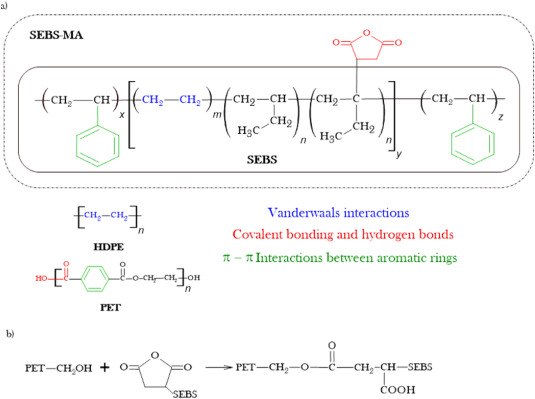
• Researchers at theUniversité de Lorrainein France have examined strategies to simplify plastic recycling by reducing the need for pre-sorting, helping to advance Distributed Recycling Additive Manufacturing (DRAM) as a framework for more localized and circular production systems. • This approach is significant because sorting mixed plastic waste remains one of the most costly and energy-intensive stages in recycling, often limiting material recovery rates and economic viability. • Enabling direct processing of mixed streams could lower operational barriers, reduce waste, and make decentralized recycling models more practical. • The study was conducted in collaboration with the ERPI and LRGP laboratories at Université de Lorraine, alongside the Department of Electrical and Computer Engineering atWestern University in Canada. • To assess feasibility, the team worked with recycled polyethylene terephthalate (rPET) and recycled high-density polyethylene (rHDPE) obtained from discarded water bottles. • They compared conventional processing methods with fused granular fabrication (FGF) 3D printing, blending rPET and rHDPE at a 90/10 weight ratio.
Sources: