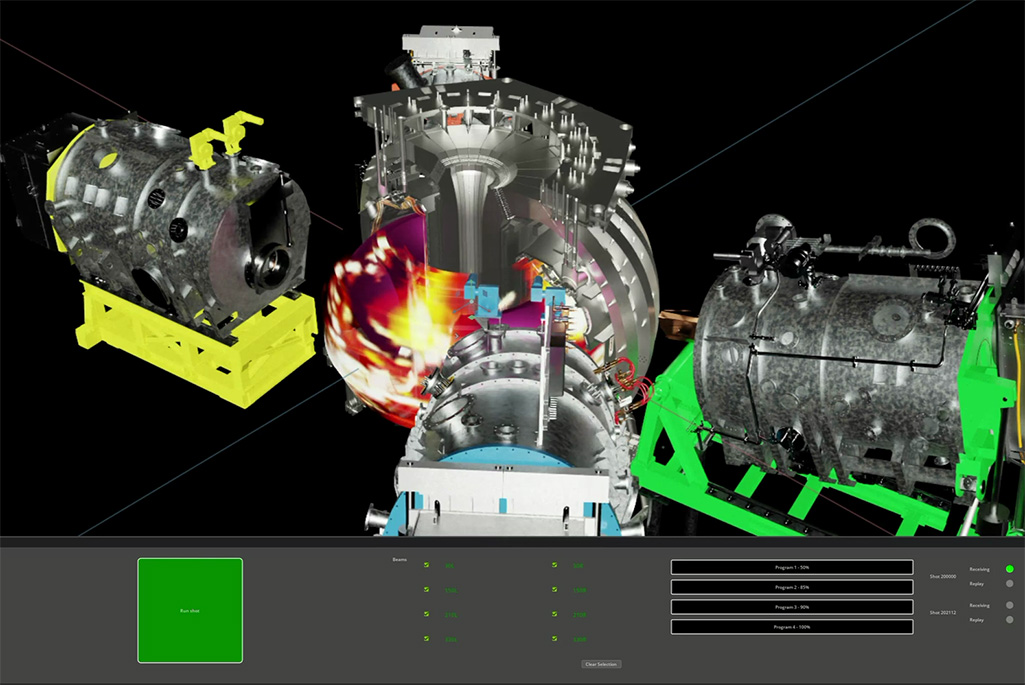
• Key Takeaways - Digital twins are ultra-accurate computer-based simulations of complex physical systems used for exploring “what-if” scenarios and guiding real-time decisions in science and engineering. • - Berkeley Lab researchers are advancing digital twin models across disciplines. • - Digital twins connect real-world systems with virtual models to test scenarios, optimize workflows, and help test decisions without damaging the tools. • - These models complement complex scientific instruments using historical data to create reliable predictions. • At the Department of Energy’s Lawrence Berkeley National Laboratory (Berkeley Lab), researchers are investigating and installing digital twins of highly sophisticated instruments that have the potential to dramatically speed up scientific discoveries. • A digital twin is a dynamic, virtual replica of a complex physical system such as a battery, manufacturing component, or a car.
Article Summaries:
- Key Takeaways - Digital twins are ultra-accurate computer-based simulations of complex physical systems used for exploring “what-if” scenarios and guiding real-time decisions in science and engineering. - Berkeley Lab researchers are advancing digital twin models across disciplines. - Digital twins connect real-world systems with virtual models to test scenarios, optimize workflows, and help test decisions without damaging the tools. - These models complement complex scientific instruments using historical data to create reliable predictions. At the Department of Energy’s Lawrence Berkeley Nat
Sources:
- https://newscenter.lbl.gov/2026/02/19/accelerating-science-with-digital-twins/ (Latest source article published: 2026-02-19 16:00 UTC)